Most people who get into arguments with the government file complaints or write angry letters. Paddy Roy Bates decided to start his own country instead.
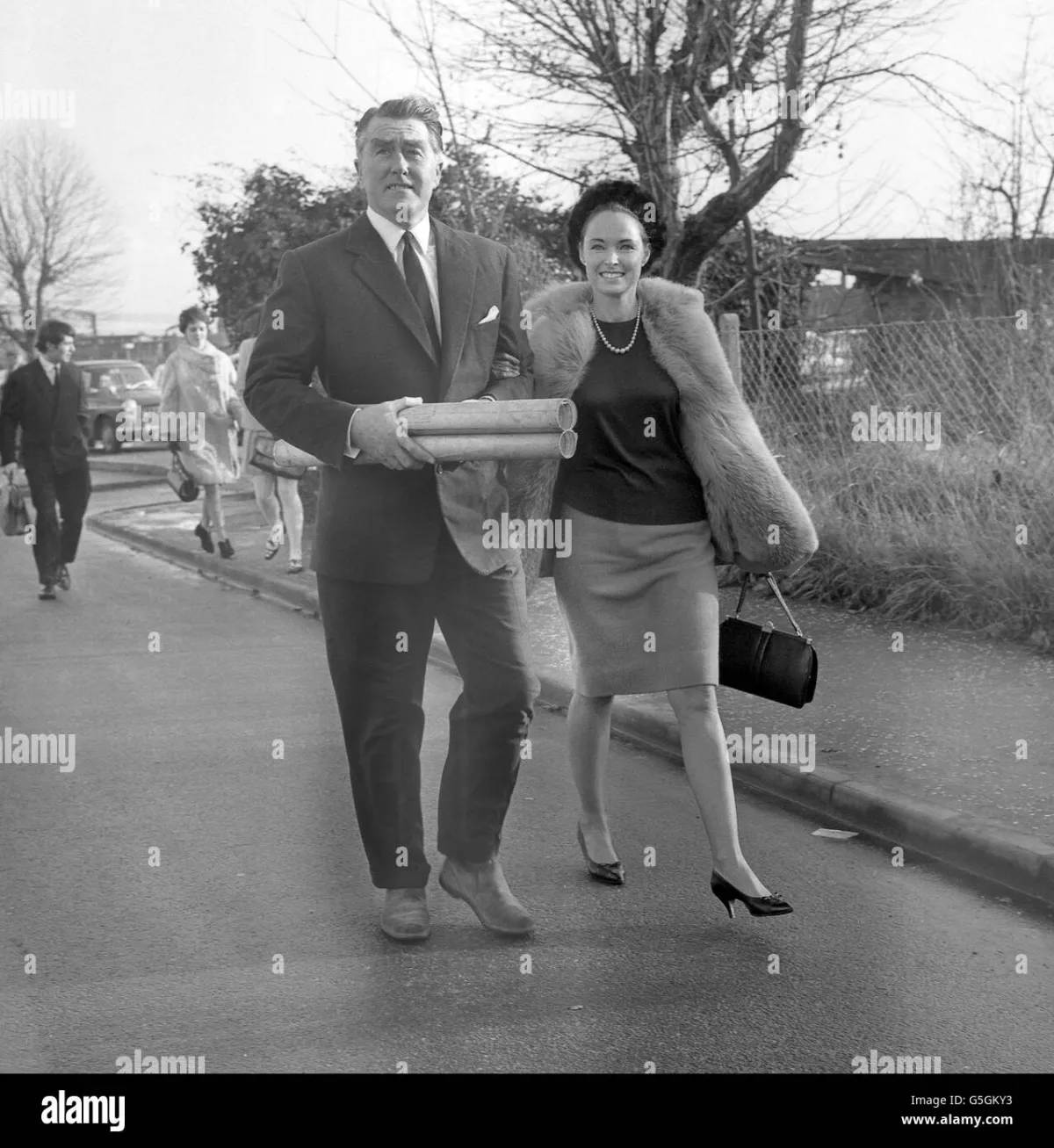 Photo: Paddy Roy Bates, via c8.alamy.com
When Pirate Radio Met Royal Ambition
In 1967, Bates was running a pirate radio station from international waters, broadcasting rock and roll to British teenagers who were tired of the BBC's stuffy programming. The government kept shutting down his operations, so Bates did what any reasonable person would do: he sailed seven miles off the coast of England, climbed aboard an abandoned World War II anti-aircraft platform called Roughs Tower, and declared himself ruler of the sovereign nation of Sealand.
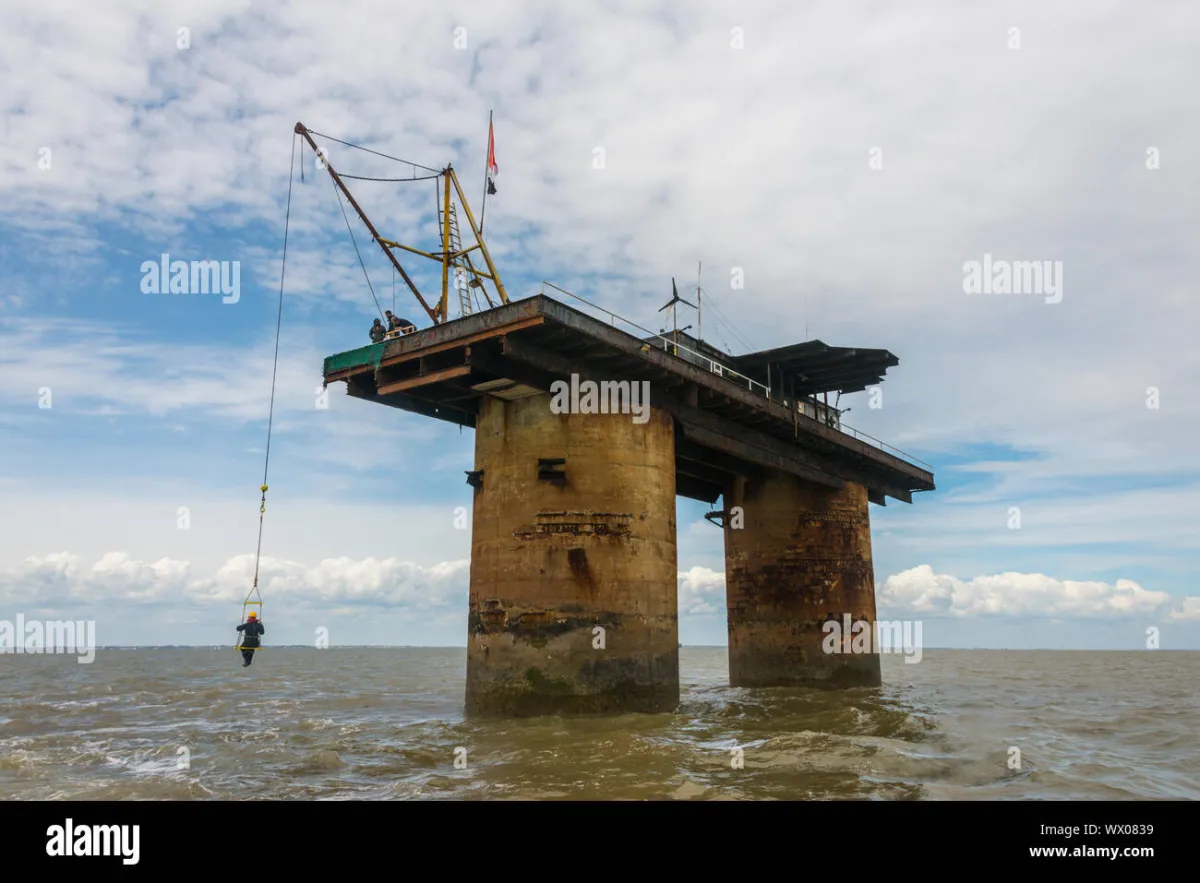 Photo: Roughs Tower, via c8.alamy.com
The platform was literally a concrete and steel structure sitting on two hollow towers in the North Sea. It had been built in 1943 to shoot down German bombers, then abandoned after the war like a rusty afterthought. To most people, it looked like an industrial eyesore. To Bates, it looked like prime real estate for a kingdom.
The Accidental Constitutional Crisis
What Bates thought would be a temporary publicity stunt turned into a decades-long legal nightmare for the British government. The problem was geography: Roughs Tower sat just outside Britain's three-mile territorial limit, which meant the UK had no clear legal authority over whatever happened there.
Bates took full advantage of this loophole. He wrote a constitution, designed a flag, minted coins, and started issuing Sealand passports. His wife Joan became the queen. His son Michael became the prince. They even created a national anthem and began selling noble titles to anyone willing to pay for the privilege of becoming a "Lord" or "Lady" of Sealand.
The British government's response was essentially a bureaucratic shrug. They couldn't invade because it wasn't technically their territory, but they also couldn't recognize it as a legitimate country because that would set a dangerous precedent for every other eccentric with a boat and a grudge.
Pirates, Coups, and Diplomatic Immunity
Things got even stranger in 1978 when a German businessman named Alexander Achenbach showed up claiming he'd been appointed Sealand's Prime Minister. When Bates disagreed, Achenbach and a group of Dutch mercenaries staged what might be history's smallest coup, taking over the platform while Bates was away.
Bates retook his kingdom with the help of a helicopter and some loyal friends, then held Achenbach prisoner for several weeks. When Germany sent a diplomat to negotiate the man's release, Bates claimed it constituted official diplomatic recognition of Sealand's sovereignty. The Germans were not amused, but they also couldn't argue with the logic.
The Kingdom That Wouldn't Die
Despite fires, storms, legal challenges, and the occasional invasion attempt, Sealand has somehow survived for over five decades. When Paddy Roy Bates died in 2012, his son Michael inherited the throne and continues to run the operation from the platform.
Today, Sealand maintains an official website, sells citizenship packages, and even hosted the world's first offshore data haven in the early 2000s. Their passports have been accepted (or at least not rejected) in various countries, and their noble titles remain popular novelty gifts.
The Lesson in Loopholes
The story of Sealand reveals just how fragile the concept of national sovereignty really is. All it took was one stubborn radio broadcaster, an abandoned military platform, and a gap in maritime law to create what might be the world's most successful micronation.
The British government eventually extended its territorial waters to twelve miles, which would have encompassed Sealand, but by then it was too late. International law protects existing claims, so Sealand's theoretical independence was grandfathered in.
What started as a publicity stunt for a pirate radio station became a genuine constitutional puzzle that governments still haven't figured out how to solve. And somewhere in the North Sea, on a platform smaller than a football field, the world's smallest royal family continues to rule over their rust-covered kingdom, proving that sometimes the most ridiculous ideas are also the most enduring.