The Catch That Caught Two Countries Off Guard
Pierre Dubois thought he was having the best fishing day of his life when his nets came up heavy with a six-foot sturgeon in the waters between Ontario and Minnesota. What he didn't know was that he'd just accidentally reignited a border dispute that diplomats thought they'd settled in 1794.
The fish came from a stretch of water in Rainy Lake that both Canada and the United States had quietly been claiming for over a century. Neither country had bothered to check their paperwork too carefully—until Dubois's catch forced them to.
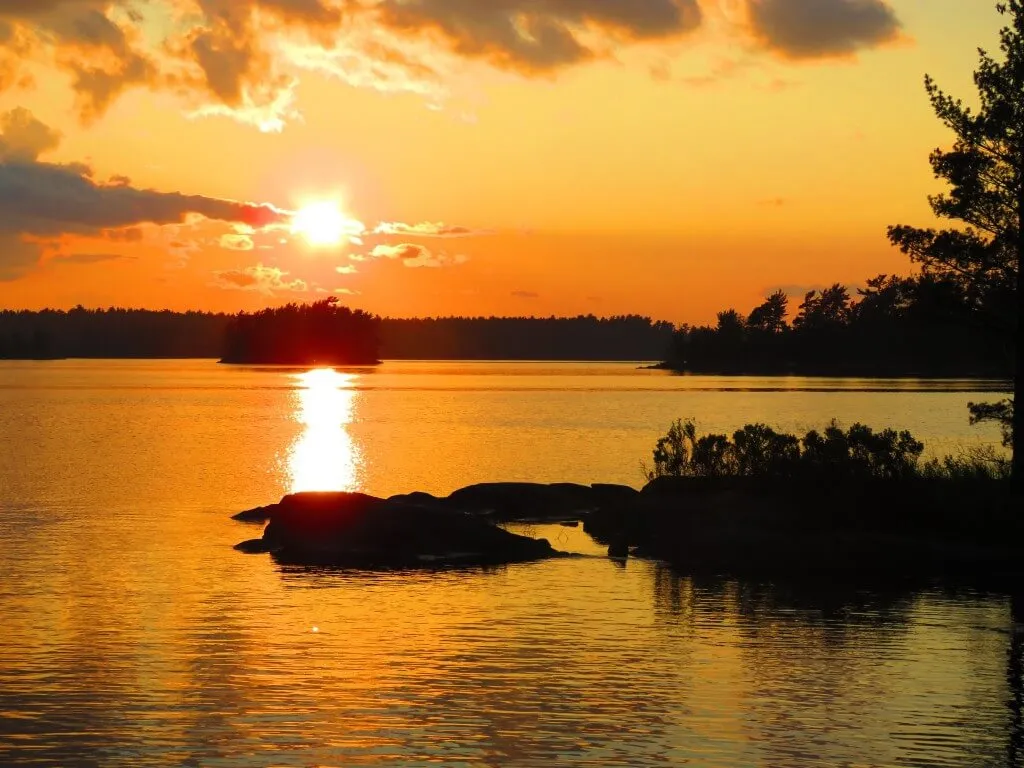 Photo: Rainy Lake, via www.rainylakehouseboats.com
When Geography Gets Awkward
The problem started with an honest mistake made by mapmakers in 1783. The Treaty of Paris, which ended the Revolutionary War, described the border between British North America and the new United States as running through "the most northwestern point of the Lake of the Woods." Sounds simple enough, except nobody had actually surveyed the Lake of the Woods properly.
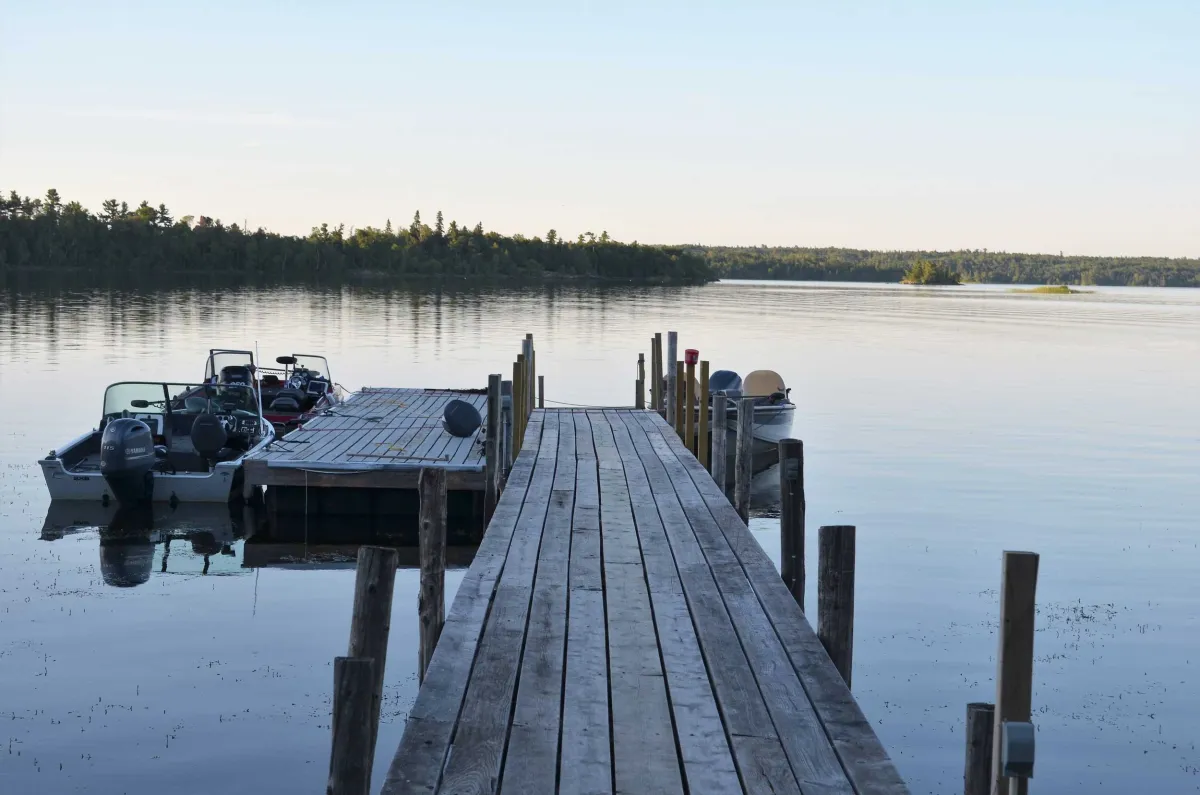 Photo: Lake of the Woods, via lakeofthewoodsmn.com
When surveyors finally got around to mapping the area decades later, they discovered that the "most northwestern point" they'd been using as a reference didn't actually exist where the treaty said it should. The real northwestern point was about 20 miles south of where everyone thought it was, which meant a chunk of water that included some prime fishing spots had been in legal limbo for generations.
A Fish Worth Fighting Over
Dubois's sturgeon wasn't just any fish—it was a monster that local newspapers estimated was worth about $200 in 1948 money (roughly $2,400 today). More importantly, it came from waters where both countries had been issuing fishing licenses without realizing they were stepping on each other's toes.
When U.S. customs officials tried to seize the fish as an illegal import, and Canadian authorities insisted it had been caught in Canadian waters, the situation escalated faster than anyone expected. What started as a confused fisherman explaining his catch to border guards turned into formal complaints filed through diplomatic channels.
Diplomats vs. Dead Fish
The sturgeon sat in a government freezer while lawyers on both sides of the border started digging through centuries-old documents. Canadian officials found maps showing the fishing spot as clearly Canadian territory. American officials produced equally official-looking maps showing the same water as definitively American.
The absurdity reached its peak when both countries assigned actual diplomatic staff to what became known as "The Sturgeon Incident." Formal notes were exchanged. Meetings were scheduled. International lawyers billable hours started adding up to more than the fish was worth.
The Solution That Satisfied Nobody
After three months of negotiations that probably cost both governments more than the GDP of some small nations, diplomats reached a compromise that made perfect bureaucratic sense and satisfied absolutely no one.
They declared the disputed water a "joint fishing zone" where citizens of both countries could fish without permits, but any commercial catches would be split 50-50 between the two governments. Dubois got to keep half his sturgeon and half the money from selling it.
The other half went to the U.S. government, which promptly donated it to a local food bank because nobody in Washington wanted to explain why they were in the fish business.
The Aftermath That Everyone Forgot
The joint fishing zone technically still exists today, though most people have forgotten about it. Occasionally, some bureaucrat in Ottawa or Washington will get a memo about maintaining the "Rainy Lake Fishing Compact of 1948" and spend a confused afternoon trying to figure out what it means.
Dubois, meanwhile, became something of a local celebrity. He'd accidentally exposed a hole in the world's longest undefended border and forced two of history's friendliest neighbors to have their most polite argument ever.
Why This Actually Mattered
The Sturgeon Incident revealed something remarkable about how international borders actually work. Most of the time, they exist because everyone agrees to pretend they exist. When that agreement breaks down—even over something as simple as a fish—the whole carefully constructed system of international law has to kick into gear.
Two countries that had been sharing the longest peaceful border in world history for over a century discovered they'd been doing it partly by accident. The fact that they solved the problem with bureaucracy instead of battleships says something hopeful about human nature.
Dubois's sturgeon proved that sometimes the most important diplomatic crises start with the most ordinary moments. One man went fishing and accidentally reminded two nations that being neighbors requires more than just being nice to each other—sometimes you actually have to figure out where the fence line runs.