The Line That Went Nowhere
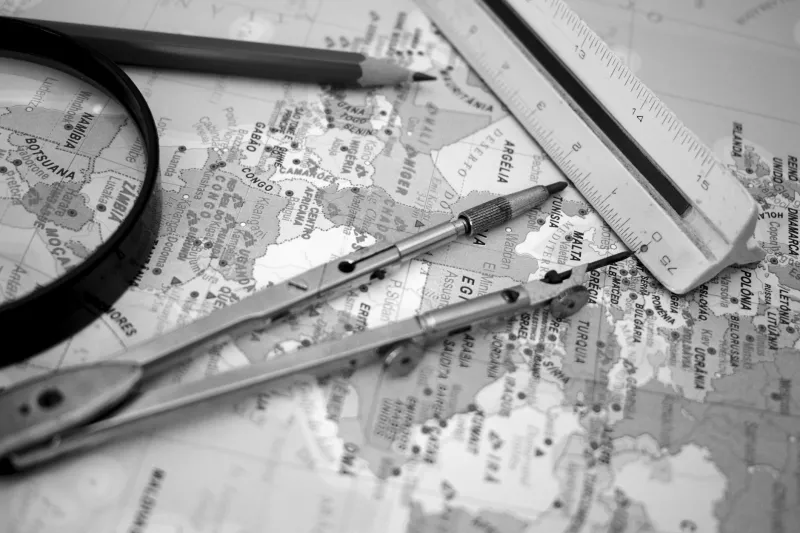
Imagine drawing a border so badly that you accidentally create an entire country. That's exactly what happened in 1859 when William Emory, the chief surveyor for the U.S.-Mexico Boundary Commission, made what might be history's most expensive cartographical mistake.
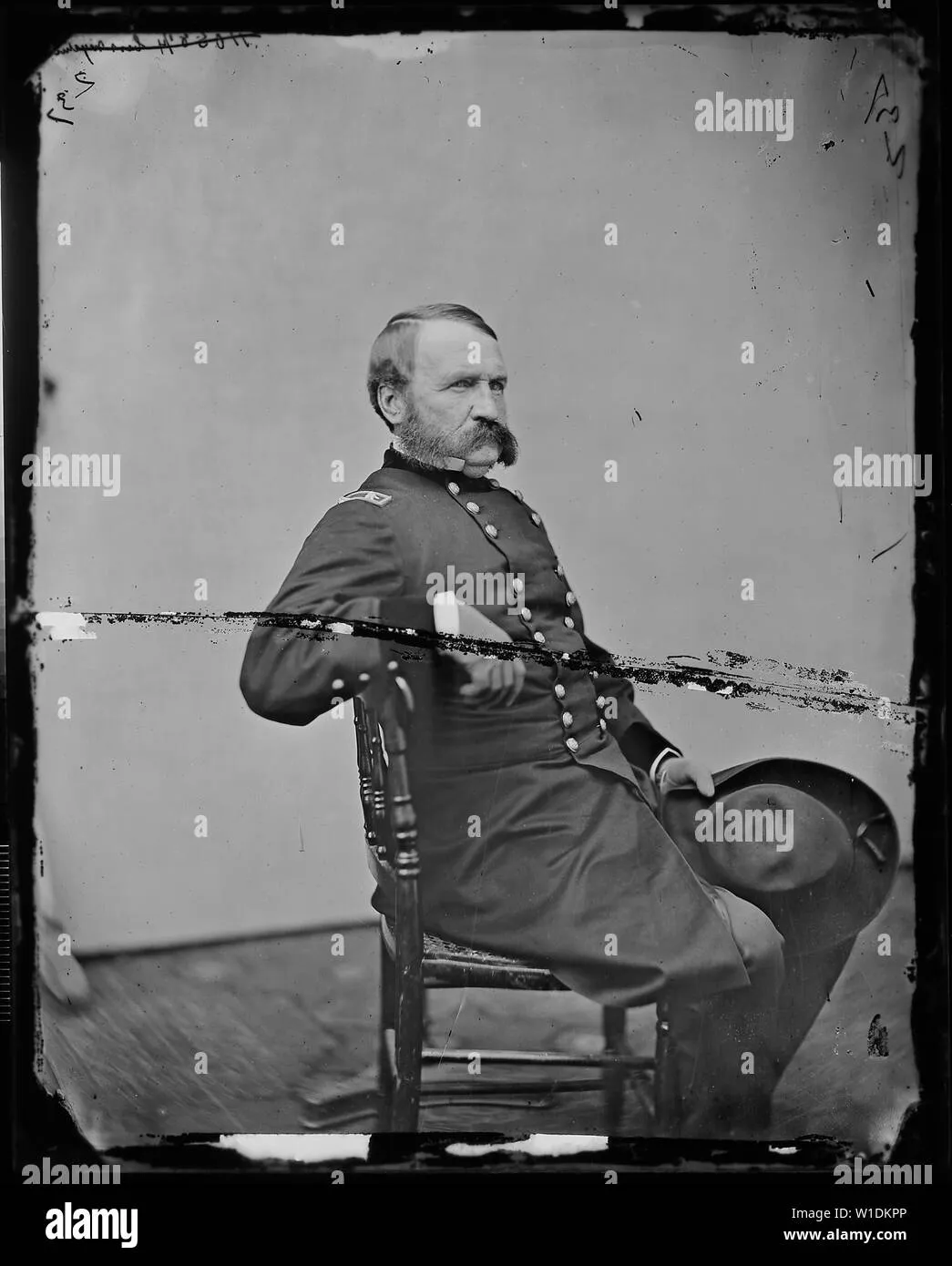 Photo: William Emory, via c8.alamy.com
Emory was tasked with marking the final stretch of the border established by the Treaty of Guadalupe Hidalgo. Simple enough — follow the Rio Grande, then draw a straight line west to the Pacific. But when Emory reached the Colorado River, something went wrong. Whether it was a faulty compass, poor visibility, or just plain human error, his line veered 37 miles north of where it should have been.
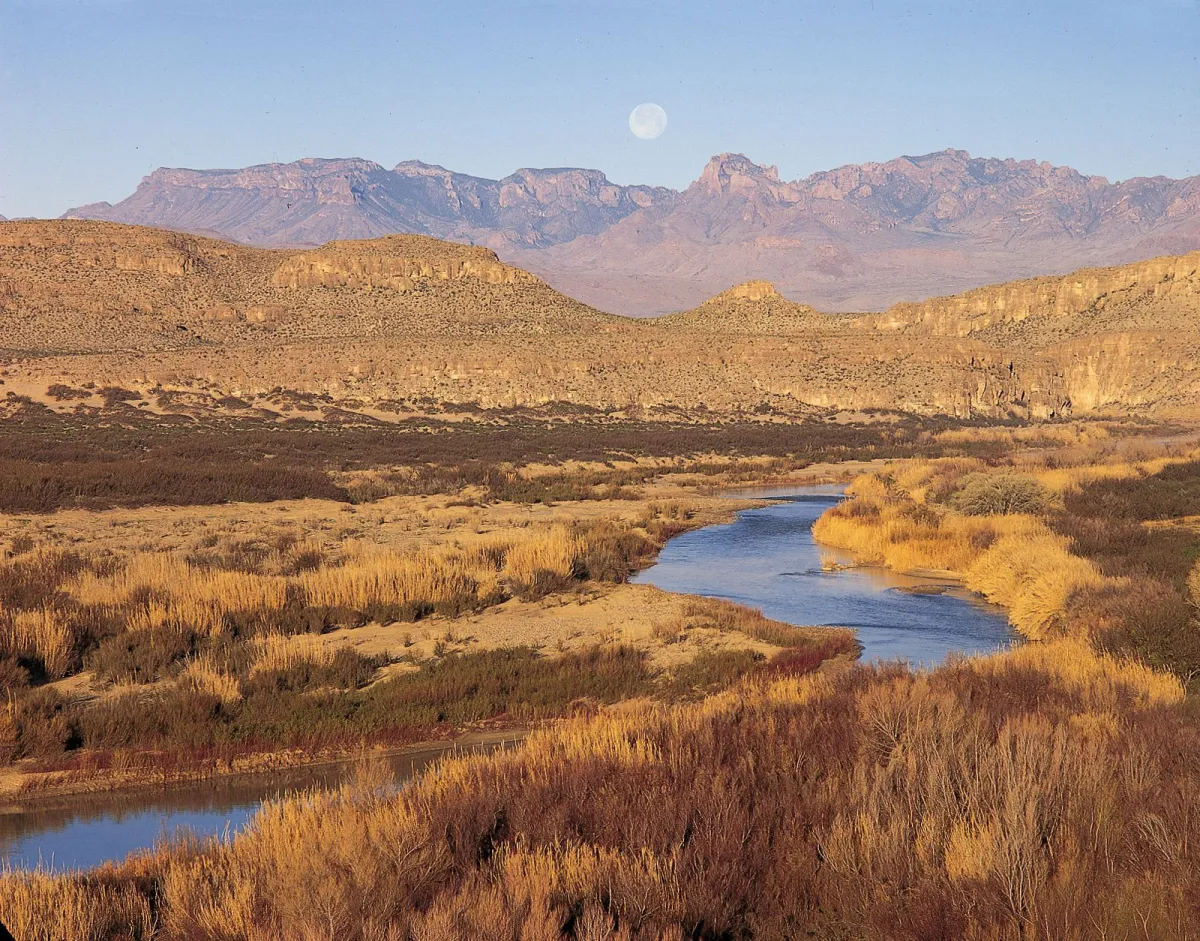 Photo: Rio Grande, via cdn.britannica.com
That single pencil stroke created the Republic of the Rio Grande Norte — a triangle-shaped territory roughly the size of Rhode Island that officially belonged to neither Mexico nor the United States.
The Accidental Nation
By 1860, nearly 3,000 American settlers had moved into what they thought was rightfully U.S. territory. They built towns, established businesses, and elected local officials. Mexican authorities, meanwhile, insisted the land was theirs and sent tax collectors who were promptly ignored or chased off by armed settlers.
The result was a functioning anarchist state. With no federal law enforcement, no courts, and no official government, the territory operated under a bizarre system of frontier justice. Disputes were settled by gunfight or community vote. A loose confederation of ranchers and merchants essentially governed themselves, creating their own laws and even issuing their own currency.
John Wesley Powell, a geologist who traveled through the region in 1861, wrote: "Here exists a place where American democracy has been stripped to its bare essentials — and somehow, it works."
Two Governments Play Hot Potato
Both Washington and Mexico City were aware of the error, but neither wanted to claim responsibility. The U.S. government worried that acknowledging the mistake would invalidate other border surveys and potentially trigger renegotiation of the entire treaty. Mexico, still smarting from losing half its territory in the Mexican-American War, saw an opportunity to embarrass their northern neighbor.
Diplomatic cables from the period reveal the absurd lengths both sides went to avoid addressing the situation. Mexican officials would refer to "certain irregularities in the northern demarcation" while American diplomats spoke vaguely of "ongoing survey refinements."
Meanwhile, the settlers in the disputed territory grew increasingly bold. They declared themselves the "Free Territory of Rio Grande Norte" and began petitioning for statehood — from both countries simultaneously.
The Mail Must Go Through (But Where?)
The postal service found itself in an impossible situation. Mail addressed to towns in the disputed territory couldn't be delivered through normal U.S. channels because the government couldn't officially acknowledge the settlements existed. But Mexican postal workers refused to service areas they claimed were occupied by American squatters.
The solution was typically American: private enterprise filled the gap. A network of freelance mail carriers, many of them former Pony Express riders, created an unofficial postal system that charged premium rates for delivery to "nowhere."
One entrepreneur, James "Nowhere" McKenzie, made a fortune running what he advertised as "The Limbo Express" — a mail and passenger service that specialized in reaching places that didn't officially exist.
Reality Crashes the Party
The outbreak of the Civil War in 1861 should have ended the charade, but it actually made things worse. Confederate forces moved into the territory, claiming it as part of the Confederate Territory of Arizona. Union forces responded by establishing Fort Nowhere (the soldiers' nickname stuck) to protect what they insisted was rightfully Union territory.
 Photo: Fort Nowhere, via gametikker.com
For six months in 1862, the Republic of Rio Grande Norte hosted a three-way military standoff between Union troops, Confederate soldiers, and Mexican federales — none of whom were entirely sure what they were fighting over.
The Fix That Took Forever
It wasn't until 1866 that the embarrassment became too much to ignore. A joint U.S.-Mexico survey commission quietly conducted a new border survey, this time using multiple surveyors and cross-checking their work with astronomical observations.
The solution was elegantly simple: split the difference. The final border was drawn halfway between Emory's erroneous line and where it should have been originally. Neither government admitted error, instead announcing they had "refined the demarcation for greater precision."
The 1,500 settlers who found themselves on the Mexican side were given one year to relocate or accept Mexican citizenship. Most chose to move, but a stubborn few remained and became Mexican citizens overnight — the only Americans in history to change nationality without leaving their front porch.
Legacy of a Pencil Stroke
William Emory never publicly acknowledged his mistake, but his private journals, discovered in 1923, contain the entry: "May God forgive me for what my compass hath wrought."
The incident led to new international standards for border surveying, including requirements for multiple independent measurements and diplomatic oversight of all boundary commissions.
Today, a historical marker near Yuma, Arizona, commemorates the spot where Emory's line crossed the Colorado River. The inscription reads simply: "Here stood a country that never was, populated by Americans who weren't quite American, governed by laws that didn't quite exist."
It's a fitting tribute to the power of human error to reshape the world — one wrong line at a time.