Democracy Gone to the Dogs: The Great Pyrenees Who Ran a Minnesota Town Better Than Most Politicians
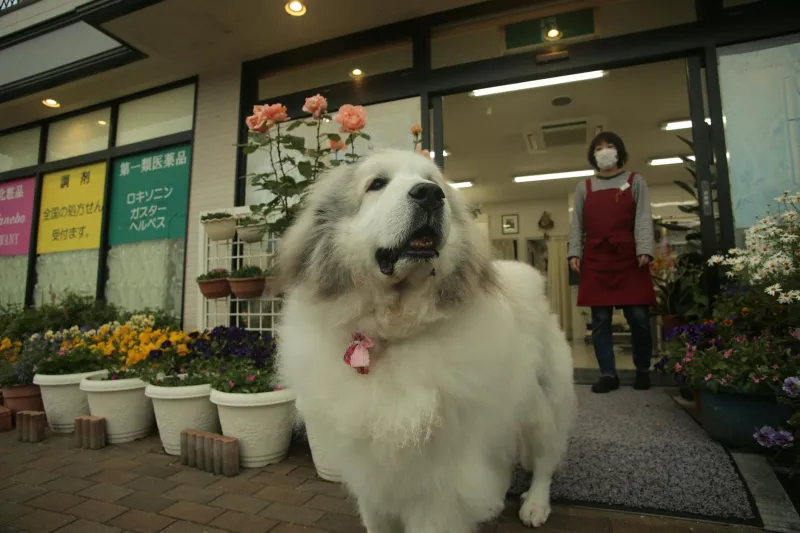
When Voters Went Rogue in Rural Minnesota
Democracy is supposed to be about choosing the best candidate for the job. But what happens when voters decide that the best candidate has four legs, weighs 80 pounds, and communicates primarily through barking? In Cormorant, Minnesota, that's exactly what happened — and somehow, it worked.
In 2014, this tiny unincorporated community of about 12 people made national headlines by electing Duke, a Great Pyrenees, as their honorary mayor. It wasn't a publicity stunt or a tourist gimmick. It was a genuine expression of civic frustration that accidentally created the most successful political career in the town's history.
The Protest Vote That Started It All
Cormorant's mayoral election wasn't supposed to be about dogs. The town held its annual Cormorant Daze festival, and as part of the festivities, residents could vote for mayor by dropping a dollar into coffee cans labeled with candidates' names. It was meant to be a fun fundraiser for the local historical society.
But 2014 was a particularly bitter election year nationwide. Residents were fed up with partisan gridlock, broken promises, and politicians who seemed more interested in fighting than governing. When someone jokingly nominated Duke — who belonged to local resident David Rick — it struck a nerve.
"People were just tired of the arguing," Rick later explained. "Duke doesn't care if you're Republican or Democrat. He just wants to make everyone happy."
By the end of the day, Duke had won by a landslide, raising $750 for the historical society. What started as a joke was about to become something much more meaningful.
The Accidental Politician
Duke's victory could have been a one-day news story, but something unexpected happened: he was really good at the job. Well, as good as a dog can be at municipal leadership.
Duke's "administration" focused on the issues that actually mattered to Cormorant residents. He greeted visitors at community events, posed for countless photos with tourists, and somehow managed to bring more positive attention to the town than any human politician ever had. Local businesses reported increased foot traffic from people wanting to meet the famous dog mayor.
More importantly, Duke's presence seemed to defuse the political tensions that had been simmering in the community. Town meetings became friendlier affairs, partly because it's hard to stay angry when there's a massive, fluffy dog wandering around looking for belly rubs.
The Re-Election Campaigns
Duke's success wasn't a fluke. He won re-election in 2015, 2016, 2017, and 2018 — each time by larger margins than the last. His campaign strategy was simple: show up, be friendly, and don't make any promises you can't keep. It was a refreshingly honest approach to politics.
During his tenure, Duke "implemented" several key initiatives. He established an open-door policy (literally — he'd wander into any building that would have him), maintained excellent relationships with both the media and constituents, and never once got caught in a scandal. His approval ratings remained consistently high throughout his five-year administration.
The secret to Duke's political success wasn't complicated. He listened without judgment, provided comfort without conditions, and somehow embodied the kind of leadership people actually wanted: present, accessible, and genuinely caring about the community's wellbeing.
More Than Just a Feel-Good Story
While Duke's story is undeniably charming, it also reveals something profound about American politics at the local level. Cormorant's residents weren't just making a joke — they were making a statement about what they valued in leadership.
Duke's election coincided with a broader trend of protest votes across the country. From small towns electing cats as mayors to write-in campaigns for fictional characters, American voters were increasingly expressing dissatisfaction with traditional political options. But unlike most protest votes, Duke's election actually improved his community.
The story also highlights the unique character of small-town democracy, where politics is less about ideology and more about who shows up, who cares, and who can bring people together. In a community of 12 people, every vote matters, and every gesture counts.
The End of an Era
Duke's remarkable political career came to an end in February 2019, when he passed away at age 13. His death made national news, with obituaries appearing in major newspapers across the country. The town held a memorial service that drew hundreds of visitors — more than had attended any political event in Cormorant's history.
In 2019, residents elected a new dog mayor, but Duke's legacy lives on. His story has been featured in documentaries, academic papers about political engagement, and countless news articles about the state of American democracy.
Lessons from the Dog House
Duke's five-year administration offers some surprisingly practical lessons about effective leadership. He proved that sometimes the best politicians are the ones who don't want the job, that consistency and availability matter more than grand promises, and that a little kindness can go a long way in public service.
Most importantly, Duke showed that democracy works best when it reflects the genuine will of the people — even when that will involves electing a dog. In an era of political cynicism and divisiveness, Cormorant's canine mayor reminded everyone that sometimes the most radical act is simply choosing kindness over conflict.
The town that voted a dog as mayor four times wasn't making a mockery of democracy — they were practicing it in its purest form, choosing a leader who truly represented their values. And for five remarkable years, it actually worked.