
The FBI's Most Twisted Teachers: How Serial Killers Taught Agents to Catch Serial Killers
The FBI's Behavioral Science Unit has solved thousands of cases using psychological profiling techniques that can predict a killer's next move with startling accuracy. What most people don't realize is that these life-saving methods were developed by sitting down with monsters and asking them politely to explain how they preferred to kill people.
Coffee with Killers
In 1978, FBI agent Robert Ressler had what might be the worst job assignment in federal law enforcement history: travel to maximum-security prisons across America and conduct friendly interviews with convicted serial killers. The goal was simple in theory and terrifying in practice—figure out what makes these people tick so agents could identify similar patterns in unsolved cases.
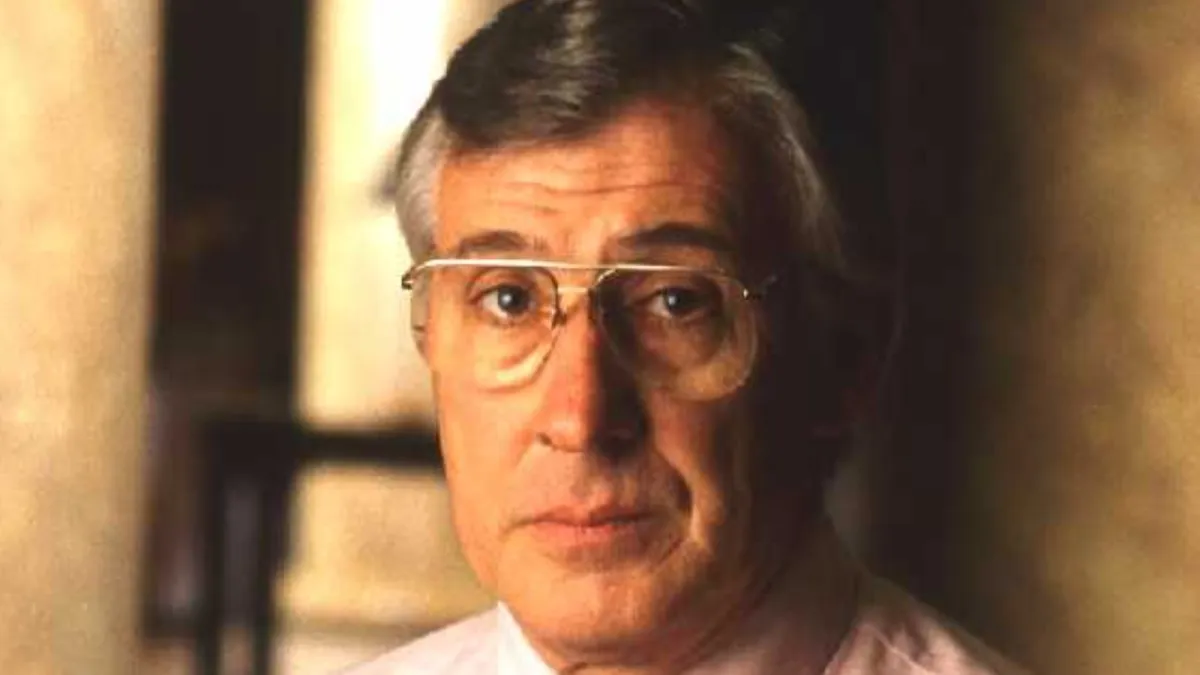 Photo: Robert Ressler, via www.grunge.com
Ressler and his partner John Douglas would sit across from men like Ted Bundy, John Wayne Gacy, and Charles Manson in sterile prison meeting rooms, armed with nothing but notepads and a list of carefully crafted questions. The killers, surprisingly, were eager to talk.
 Photo: John Wayne Gacy, via i.ytimg.com
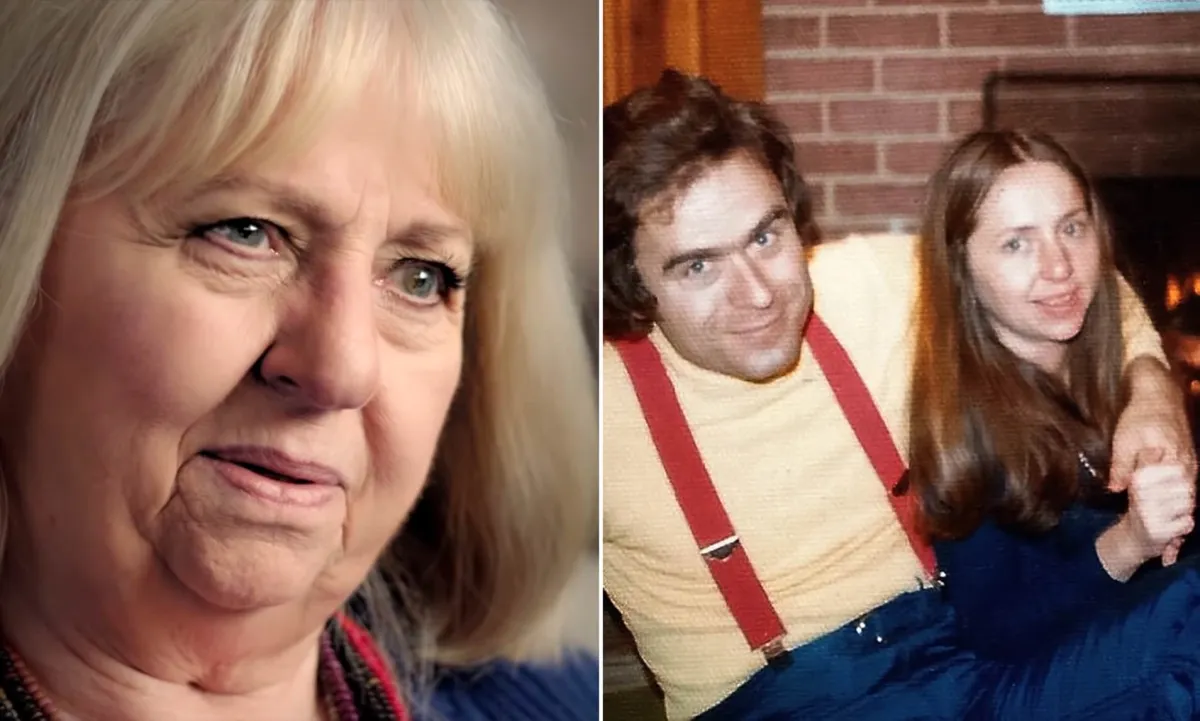 Photo: Ted Bundy, via i.dailymail.co.uk
The Most Cooperative Criminals in History
"They loved the attention," Ressler later recalled. "These were narcissists who had been denied an audience for years. Suddenly, federal agents wanted to hear their stories in detail."
Ted Bundy spent hours explaining his victim selection process, describing how he would fake injuries to lure women to his car. John Wayne Gacy drew diagrams of where he buried bodies under his house. Edmund Kemper, who killed his own mother, provided clinical analysis of his psychological state during each murder.
The killers weren't just answering questions—they were teaching a masterclass in predatory behavior. They explained their hunting patterns, their methods of gaining victims' trust, and the psychological triggers that led to violence. It was like getting a PhD in evil from the world's most qualified professors.
Building a Monster Manual
What emerged from these conversations was the first systematic understanding of how serial killers operate. Ressler and his team identified patterns that seemed random to local police but followed predictable psychological rules.
They learned that organized killers plan their crimes carefully and often take trophies, while disorganized killers act impulsively and leave chaotic crime scenes. They discovered that certain types of childhood trauma correlate with specific killing methods. They mapped the geography of how serial killers choose hunting grounds and disposal sites.
Most importantly, they realized that the killers' personalities were reflected in their crime scenes like psychological fingerprints. A killer who controlled every aspect of the murder would likely be controlling in other areas of life. Someone who left a messy, violent scene probably lived in chaos.
The Irony of Evil Teaching Good
The strangest part of this story isn't that serial killers were willing to help—it's that they were genuinely good teachers. Many of these men were highly intelligent and possessed an almost academic interest in their own psychology. They could articulate the mental processes behind their crimes with the detachment of scientists discussing lab experiments.
Charles Manson explained his manipulation techniques with the pride of a master craftsman. Edmund Kemper provided insights into victim psychology that helped agents understand how predators identify vulnerable targets. Even Jeffrey Dahmer, years later, offered detailed explanations of his escalating fantasies that helped agents recognize warning signs in other cases.
From Theory to Life-Saving Practice
The techniques developed from these prison interviews have solved thousands of cases. When police find a body arranged in a specific way, profilers can now predict the killer's age, employment status, living situation, and likely next move. They can tell investigators whether they're looking for someone who knew the victim or a stranger, whether the killer will strike again, and what type of person is most at risk.
The Atlanta Child Murders case in 1981 was one of the first major successes. FBI profilers predicted the killer would be a young Black man living in the area, driving an older car, and likely involved in the community. When police arrested Wayne Williams, he matched the profile almost perfectly.
The Price of Understanding Monsters
Many of the agents who conducted these interviews paid a psychological price for their groundbreaking work. John Douglas suffered multiple nervous breakdowns. Robert Ressler developed what he called "occupational paranoia"—an inability to go anywhere without mentally cataloging potential escape routes and threats.
"You can't swim in that darkness without some of it sticking to you," Ressler admitted years later.
But their sacrifice created tools that have saved countless lives. Today, every major police department uses some form of behavioral profiling, and the FBI's National Center for the Analysis of Violent Crime continues to refine these techniques.
The ultimate irony is that some of the most evil people in American history inadvertently became heroes by teaching law enforcement how to catch people exactly like them. In trying to satisfy their own narcissistic need for attention and recognition, they handed investigators the keys to stopping future killers.
It's a reminder that sometimes the most important breakthroughs come from the most unexpected sources—even when those sources happen to be sitting in maximum-security prison cells, serving multiple life sentences for murder.