
When Being Dead Becomes a Bureaucratic Problem
Staff Sergeant Jimmy Morrison had been dead for exactly 743 days when he stepped off a Navy transport ship in San Francisco Bay, carrying nothing but a duffel bag and a serious case of confusion about his legal status. According to every official record, Morrison had been killed in action on Guadalcanal in November 1943. His family had mourned him, buried an empty casket, and spent his $10,000 life insurance payout. The only problem? Morrison was very much alive.
 Photo: San Francisco Bay, via cdn.wallpapersafari.com
What followed was a bureaucratic nightmare that would take three years to untangle, create new military policies about death verification, and establish legal precedent for one of the strangest questions in American jurisprudence: can a dead person be held financially responsible for their own death benefits?
The Mix-Up That Started It All
The confusion began with a case of mistaken identity in the chaos of jungle warfare. During a Japanese bombing raid on Henderson Field, two soldiers with similar names—James Morrison and James Morimoto—were caught in the same blast. Morimoto, a Japanese-American soldier from Hawaii, was killed instantly. Morrison was knocked unconscious and buried under debris.
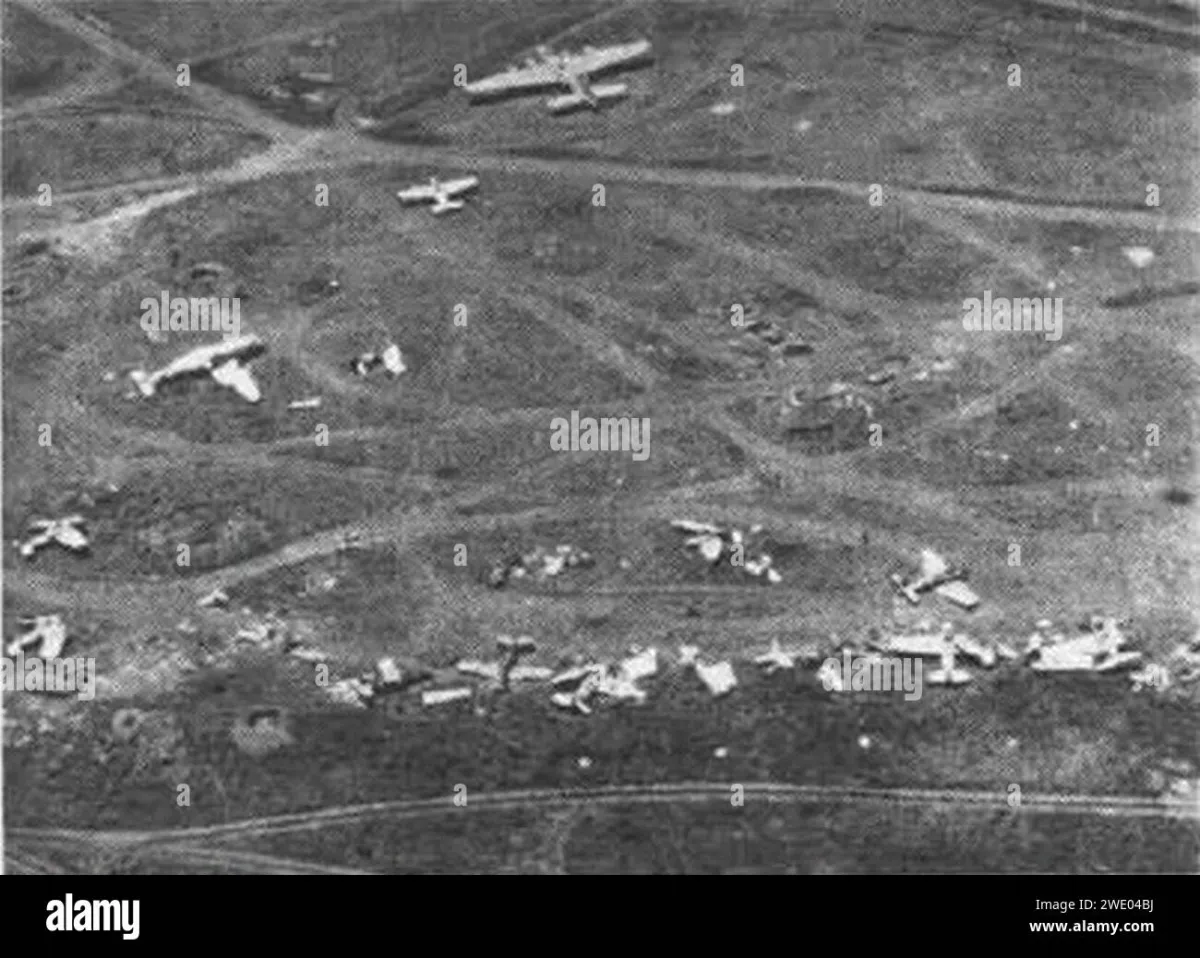 Photo: Henderson Field, via c8.alamy.com
When rescue teams found Morrison hours later, he was comatose and his dog tags were missing, apparently blown off in the explosion. A medic who'd served with both men made a split-second identification in poor light, mistaking the unconscious Morrison for the wounded-but-alive Morimoto. The real Morimoto's body was never recovered from the bombed-out bunker.
Death by Paperwork
The paperwork that followed was swift and decisive. Morrison was officially listed as "Killed in Action," while the unconscious soldier—actually Morrison—was identified as the wounded Morimoto and evacuated to a field hospital. When Morrison finally regained consciousness two weeks later, he had severe amnesia and couldn't remember his own name, let alone correct the mix-up.
Medical records from that period show Morrison spent months recovering from traumatic brain injury, gradually regaining his memory but remaining confused about his identity. Meanwhile, halfway around the world, his family in Ohio received the dreaded telegram: "The Secretary of War desires me to express his deep regret that your son Staff Sergeant James Morrison has been reported killed in action."
The Insurance Payout
Morrison's family, devastated by the news, held a proper funeral complete with military honors. The local American Legion post donated a headstone, and Morrison's mother used part of the $10,000 life insurance payout to establish a small scholarship fund in her son's name at his high school. The rest went toward paying off the family farm's mortgage—money that would later become the center of a legal battle.
Meanwhile, in a military hospital in Australia, the man everyone knew as "James Morimoto" was slowly recovering his memory. But with no identification and medical records that listed him under the wrong name, Morrison found himself trapped in a bureaucratic loop. Every time he tried to correct his identity, officials pointed to his medical file, which clearly showed he was Morimoto, not Morrison.
The Long Road Home
It took nearly two years for Morrison to convince military authorities of his real identity. The breakthrough came when a nurse noticed him writing with his left hand—medical records showed Morimoto was right-handed. A thorough investigation finally revealed the truth, but by then, Morrison's case had created a massive administrative headache.
He'd been receiving Morimoto's pay for two years, had been treated under Morimoto's medical records, and was technically listed as a deserter since "Morrison" had failed to report for duty after being declared dead. The real Morimoto's family, meanwhile, had been told their son was recovering in a military hospital and would return home soon.
The Homecoming Nobody Expected
When Morrison finally arrived in San Francisco in October 1945, he expected a happy reunion with his family. Instead, he was met by military police and a team of lawyers. The War Department had a problem: they'd paid out death benefits for a man who wasn't dead, and they wanted their money back.
The legal argument was simple, if absurd: Morrison had fraudulently collected death benefits by virtue of being alive. The fact that he'd been unconscious during the entire process and had no knowledge of the payout was deemed irrelevant. Government lawyers argued that the insurance contract was null and void since the insured party hadn't actually died.
The Case That Broke New Legal Ground
Morrison's family hired a lawyer who argued that the government's own negligence had created the situation. How could Morrison be held responsible for a bureaucratic error he had no part in creating? The case, Morrison v. United States, eventually reached federal court, where it established several important precedents.
The judge ruled that while Morrison wasn't technically entitled to death benefits he hadn't earned by dying, the government's gross negligence in identity verification meant they couldn't simply demand immediate repayment. Instead, the court ordered a compromise: Morrison would repay the insurance money in installments over ten years, without interest.
The Unintended Consequences
The Morrison case led to significant changes in military death verification procedures. The Army implemented a new system requiring multiple forms of identification before declaring someone killed in action, and established protocols for handling cases of amnesia or missing identification.
Perhaps more importantly, Morrison's case created legal precedent for handling "resurrection" cases—instances where people declared dead later turn up alive. The military now has specific procedures for reinstating "deceased" personnel, including protocols for handling financial complications.
Life After Death
Morrison returned to Ohio, married his high school sweetheart (who'd waited for him despite his official death), and worked as a machinist while making his monthly payments to the government. He completed the repayment plan in 1955, finally achieving full legal resurrection.
The scholarship fund his mother had established in his memory continued operating even after his return, eventually helping dozens of local students attend college. Morrison often joked that it was probably the only scholarship fund in America established by and for the same person.
The Lasting Legacy
Morrison lived until 1987, often telling his story to veterans' groups and military historians. His case remains one of the most bizarre examples of how bureaucratic errors can spiral into constitutional questions about identity, death, and financial responsibility.
Today, military records still list two separate entries for James Morrison: one showing his death in 1943, and another documenting his resurrection in 1945. It's a permanent reminder of the day the U.S. government learned that sometimes, being wrong about someone's death can be just as complicated as being right about it.