The Library Book That Took 145 Years to Return (And Nobody Minded)
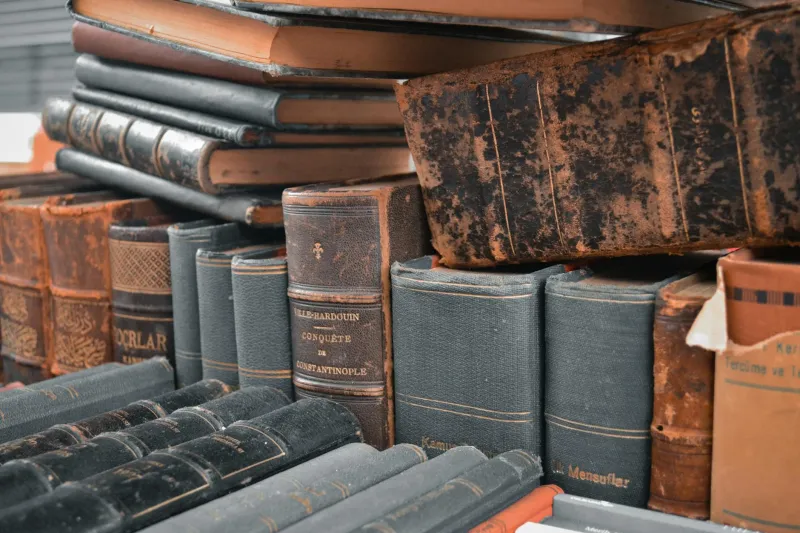
The Book That Time Forgot
In 2022, librarians at the Walpole Public Library in Massachusetts received an unusual package in the mail. Inside was a weathered copy of "The New Testament with Explanatory Notes" that had been checked out 145 years earlier — making it quite possibly the most overdue book in American library history.
The accompanying letter explained that the book had belonged to their great-great-grandfather, who had borrowed it in 1877 and simply never gotten around to returning it. What started as ordinary procrastination had accidentally become a time capsule, preserving not just a piece of 19th-century literature but an entire family's story across five generations.
A Victorian-Era Checkout That Never Ended
When James Sullivan walked into the Walpole Public Library sometime in 1877, Rutherford B. Hayes was president, the telephone had just been invented, and library due dates were more like gentle suggestions than strict deadlines. Sullivan checked out the religious text — likely for personal study or family devotions — and took it home to his house on nearby Common Street.
What happened next was completely ordinary: life got in the way. Sullivan probably meant to return the book, but between work, family obligations, and the general chaos of daily existence in the 1870s, it just never happened. The book ended up on a shelf in his home, where it would remain for nearly a century and a half.
The Accidental Heirloom
As decades passed, Sullivan's descendants treated the library book like any other family possession. It moved from house to house, shelf to shelf, generation to generation. Children grew up seeing it as just another old book that belonged to great-grandpa, with no idea it was technically stolen property.
The book's journey through the family offers a fascinating glimpse into how American families lived and moved over the past 145 years. It survived multiple relocations, two world wars, the Great Depression, and countless spring cleaning sessions. Somehow, through all those decades of change, nobody thought to mention that it might belong to a library.
When Guilt Finally Caught Up
The book's eventual return came about through a combination of genealogy research and old-fashioned family guilt. Sullivan's great-great-granddaughter was going through family documents when she discovered the original library checkout slip tucked inside the book's pages. The faded handwriting clearly showed it had been borrowed from the Walpole Public Library in 1877.
Realizing she was in possession of what might be the most overdue library book in history, she decided to do what her ancestor probably should have done 145 years earlier: return it. Her letter to the library was equal parts apologetic and amused, acknowledging the absurdity of the situation while expressing genuine remorse for her family's accidental book theft.
The Library's Surprisingly Chill Response
You might expect librarians to be upset about a book being 145 years overdue, but the staff at Walpole Public Library was absolutely delighted. Rather than demanding massive late fees (which would have amounted to thousands of dollars at even modest rates), they treated the return as a wonderful piece of local history.
The library immediately waived all fees and decided to put the book on permanent display as a testament to the enduring relationship between libraries and their communities. They even framed the original checkout slip and the return letter, creating a mini-exhibition about the book's incredible journey through time.
America's Other Legendary Late Returns
Sullivan's book isn't the only library material to achieve legendary overdue status. In 2016, a book was returned to a California library 78 years late, with a note from the borrower's daughter explaining she'd found it while cleaning out her deceased mother's belongings. A Connecticut library once received a book that had been checked out in 1934, returned by someone who found it at a yard sale.
These stories reveal something touching about how books travel through American families. They become more than just borrowed property — they turn into inadvertent heirlooms, carrying memories and stories that often outlast the people who first brought them home.
What a 145-Year-Old Checkout Tells Us
The Sullivan family's accidental book collection offers historians a unique window into 19th-century American life. The book itself — a religious text with detailed explanatory notes — reflects the central role of faith in many Victorian-era households. The fact that it was borrowed from a public library shows how these institutions were already serving as community resources in small New England towns.
Even the checkout system tells a story. In 1877, library records were kept by hand in ledger books, with simple stamps marking due dates. There were no computer databases, no automated reminder systems, no late fee calculations. If you forgot to return a book, it might genuinely disappear into the community forever.
The Perfect Crime That Nobody Minded
In the end, James Sullivan pulled off what might be the most polite theft in American history. He borrowed a book, never returned it, and nobody noticed for 145 years. When his descendants finally confessed to the crime, the victims thanked them and put the evidence on display.
It's a uniquely American story about the honor system, family responsibility, and the strange ways that history preserves itself. Sometimes the most extraordinary events happen not through grand gestures or dramatic moments, but through simple human forgetfulness that accidentally becomes a five-generation family tradition.
Today, Sullivan's book sits in its display case at the Walpole Public Library, a reminder that sometimes the best stories are the ones nobody meant to create in the first place.