The Real Estate Deal That Broke Space Law
Dennis Hope was having a bad day in 1980. His marriage was falling apart, his job at a ventilation company wasn't paying the bills, and he was sitting in his tiny apartment in Gardnerville, Nevada, wondering how to turn his life around. So he did what any rational person would do: he claimed ownership of the moon.
Not a piece of the moon. Not mineral rights to the moon. The entire moon. All 14.6 million square miles of it.
And then he started selling it, $20 per acre, with official-looking deeds and everything.
The Loophole That Launched a Thousand Lawsuits
Hope's lunar land grab wasn't just some guy with delusions of grandeur. He had actually done his homework. The 1967 Outer Space Treaty, signed by the United States and most other space-faring nations, specifically prohibits countries from claiming territorial sovereignty over celestial bodies.
But here's the thing: it says nothing about individuals.
The treaty states that "outer space, including the moon and other celestial bodies, is not subject to national appropriation by claim of sovereignty." National appropriation. Not individual appropriation. Hope noticed this distinction and filed a formal claim with the United Nations, the U.S. government, and the Soviet Union, informing them of his intention to claim the moon under individual property rights.
He gave them all the legally required notice period to object. None of them responded.
Under property law, silence can sometimes constitute consent.
The Business Model That Actually Worked
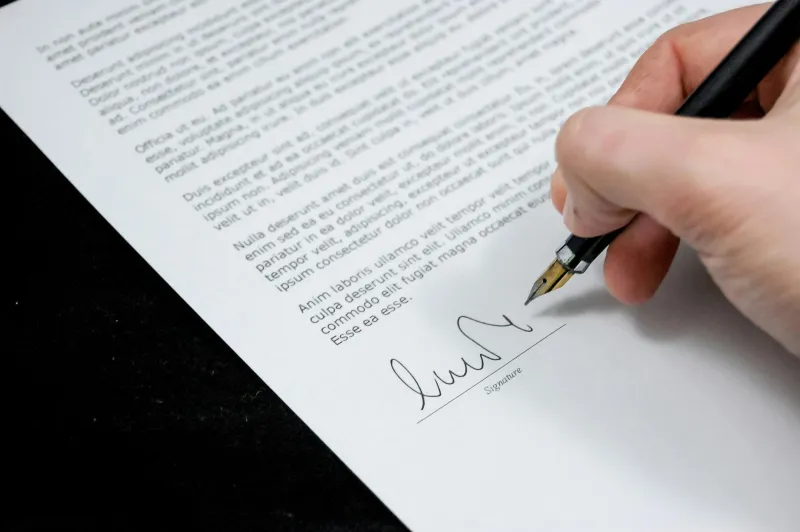
What started as a desperate attempt to solve financial problems turned into the world's most unusual real estate empire. Hope founded the Lunar Embassy Commission, created official-looking lunar deeds complete with GPS coordinates, and started selling moon property through newspaper ads.
The response was immediate and overwhelming. People bought lunar acres as novelty gifts, romantic gestures, and legitimate investments. Hope sold property to celebrities, politicians, and regular folks who wanted to own a piece of space history. Within a decade, he had sold over 600 million acres of lunar surface and expanded his business to include Mars, Venus, and several moons of Jupiter.
The really weird part? His business model was completely transparent. Hope never claimed the land was accessible, developable, or useful for anything other than bragging rights. He was selling the legal concept of ownership, not actual real estate development opportunities.
And people kept buying.
The Government Response That Made Everything Worse
You'd think the U.S. government would have shut down Hope's lunar real estate business immediately. Instead, they created a bureaucratic nightmare that accidentally legitimized his claims.
NASA's initial response was to ignore Hope entirely, figuring his business would collapse on its own. When that didn't happen, they issued statements saying that private individuals couldn't own celestial bodies, but they couldn't cite any specific law that prohibited it.
The Federal Trade Commission investigated Hope for false advertising but couldn't find any false claims. He was selling "novelty lunar deeds" and clearly stated that the land wasn't accessible or developable. He wasn't promising anything he couldn't deliver.
The State Department got involved and declared that Hope's claims had "no legal validity," but when pressed for specifics, they could only cite the Outer Space Treaty's prohibition on national appropriation, which didn't apply to individual claims.
The Legal Experts Who Couldn't Agree
The Hope lunar property case exposed a genuine gap in international space law. Legal scholars lined up on both sides of the issue, and their arguments revealed just how unprepared the legal system was for space-age property disputes.
Supporters of Hope's claim pointed out that the Outer Space Treaty was specifically designed to prevent nations from claiming celestial bodies as territory, not to prevent individuals from owning property. They argued that private property rights are fundamental to free market economies and that space property should be no different from any other undeveloped land.
Critics argued that the treaty's spirit, if not its letter, clearly intended to prevent any form of territorial appropriation of celestial bodies. They pointed out that individual property ownership would effectively create the same problems as national sovereignty.
But here's the legal nightmare: both sides had valid points, and there was no clear precedent to resolve the dispute.
The International Incident Nobody Wanted
Hope's lunar claims created diplomatic headaches that rippled through international space law. Other countries began questioning whether American citizens could claim celestial property and whether the U.S. government had an obligation to prevent such claims.
The situation became more complicated when Hope started selling property to foreign nationals. If a German citizen bought lunar property from an American vendor, which country's property laws applied? What if disputes arose between lunar property owners from different countries?
The United Nations received dozens of inquiries from member nations asking for clarification on individual celestial property rights. The UN's response was essentially, "We didn't think we needed to address this."
The Business That Won't Go Away
Forty-three years later, Hope's lunar real estate business is still operating. He has sold property to over 6 million customers in 193 countries, including three former U.S. presidents, multiple Hollywood celebrities, and several heads of state. His company claims to have generated over $12 million in revenue.
More importantly, no government has successfully shut him down. Various agencies have issued statements, warnings, and advisories, but none have taken legal action that definitively resolved the underlying property rights question.
Hope has also expanded his business model to include lunar development rights, mineral extraction licenses, and even lunar embassy franchises. Each expansion pushes the legal boundaries a little further and creates new questions that existing space law doesn't address.
The Problem That's Getting Bigger
The Hope lunar property case might seem like a harmless novelty, but it's created a precedent that's becoming more relevant as private space exploration advances. Companies like SpaceX, Blue Origin, and Virgin Galactic are making space travel increasingly accessible, and asteroid mining is moving from science fiction to business planning.
If individuals can't own celestial property, how do private space companies secure investment for lunar or asteroid mining operations? If they can own celestial property, what prevents a new space race based on individual claims rather than national programs?
The legal questions Hope raised in 1980 are no longer theoretical curiosities—they're practical problems that need practical solutions.
The Resolution That Still Hasn't Happened
Despite decades of legal challenges, government investigations, and international diplomatic discussions, Dennis Hope's lunar property claims remain unresolved. No court has ruled definitively on whether individuals can own celestial property. No legislature has passed laws specifically prohibiting such ownership. No international treaty has closed the loophole Hope exploited.
Meanwhile, Hope continues selling lunar real estate, governments continue issuing statements about the invalidity of his claims, and legal experts continue debating the finer points of extraterrestrial property law.
Sometimes the most absurd situations reveal the most serious problems. Dennis Hope's lunar land grab started as a personal financial crisis and accidentally exposed a fundamental gap in how humanity governs space exploration. The fact that we still haven't resolved this question says more about our legal systems than it does about Hope's business model.
In space, apparently, nobody can hear you file a property deed.