The Dead Pig That Almost Started World War Three
The Potato Thief That Changed History
Lyman Cutlar was having a perfectly ordinary morning on June 15, 1859, when he spotted a large black pig rooting through his potato garden on San Juan Island. The pig belonged to Charles Griffin, an employee of the Hudson's Bay Company, and had been making regular raids on Cutlar's crops for weeks. Fed up with the porcine trespasser, Cutlar grabbed his rifle and shot the pig dead.
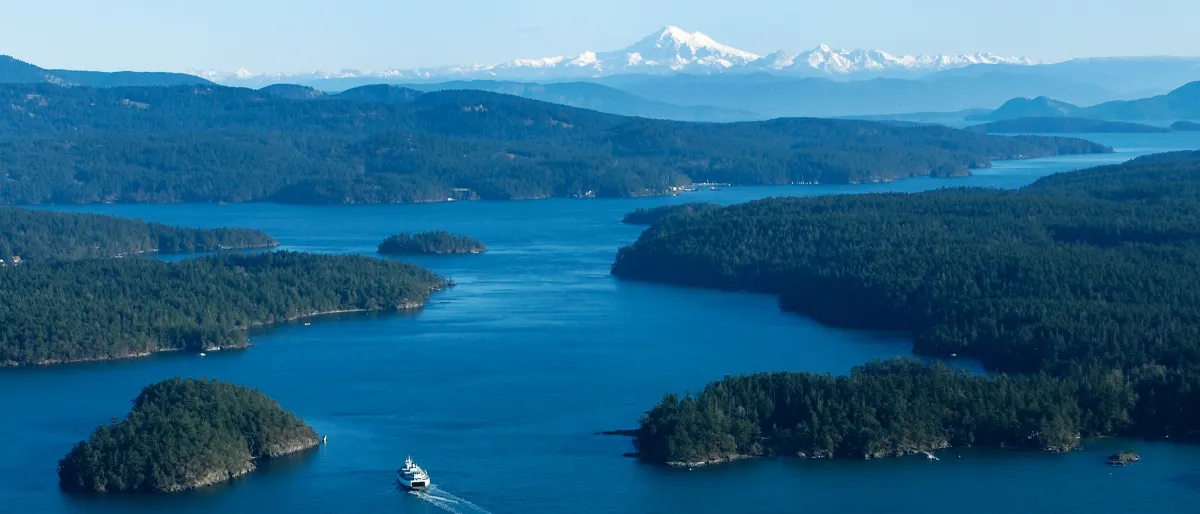 Photo: San Juan Island, via sanjuan.objects.liquidweb.services
Neither Cutlar nor Griffin could have imagined that this simple act of frontier justice would bring the United States and Britain closer to war than they had been since 1812. The dead pig would trigger a 12-year military standoff involving warships, cannons, and enough diplomatic tension to reshape the Pacific Northwest.
The Island That Nobody Owned (Except Everyone)
The problem wasn't just the pig – it was where the pig died. San Juan Island sat in a geographic and legal gray area that had been quietly ignored by both American and British authorities for decades. The 1846 Oregon Treaty had established the 49th parallel as the border between the United States and British Canada, but it contained one crucial ambiguity: the boundary through the San Juan Islands.
The treaty stated that the border should run through "the middle of the channel which separates the continent from Vancouver's Island." Unfortunately, there were two channels, and both nations had been quietly settling the islands while pretending the other side's claims didn't exist.
American settlers like Cutlar had been farming on San Juan Island for years, while the Hudson's Bay Company operated a salmon-curing station and sheep ranch. Both sides collected taxes, enforced laws, and generally acted as if they owned the place – because as far as each was concerned, they did.
When Diplomacy Meets Bacon
After shooting the pig, Cutlar offered Griffin $10 in compensation – a generous sum for a pig in 1859. Griffin demanded $100, claiming it was a prize boar. When Cutlar refused, Griffin threatened to have him arrested by British authorities for destroying Hudson's Bay Company property.
This threat sent Cutlar straight to the American settlers, who petitioned the U.S. military for protection. They argued that as American citizens on American soil, they shouldn't be subject to British justice. The problem was that the British had an equally valid claim to the same piece of "American" soil.
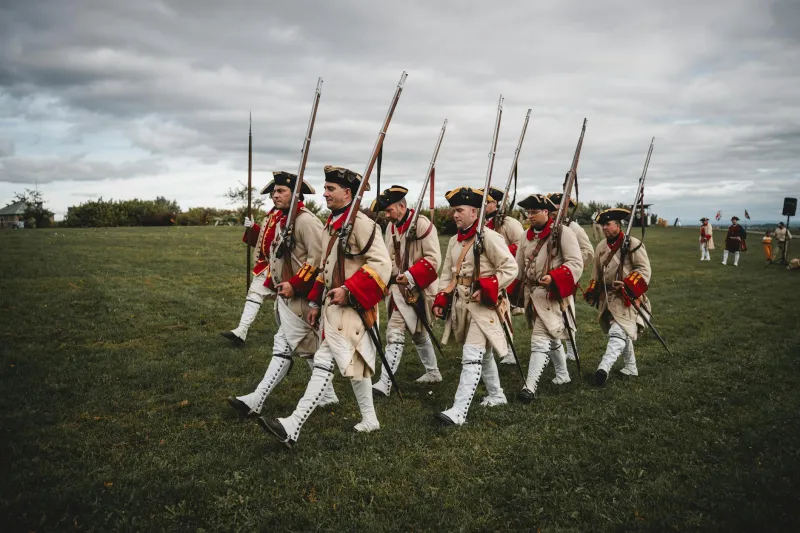
Captain George Pickett (who would later gain fame at the Battle of Gettysburg) arrived with 64 soldiers from the 9th Infantry Regiment. His orders were simple: protect American settlers from British authorities. Pickett established a camp on the island and waited to see what the British would do.
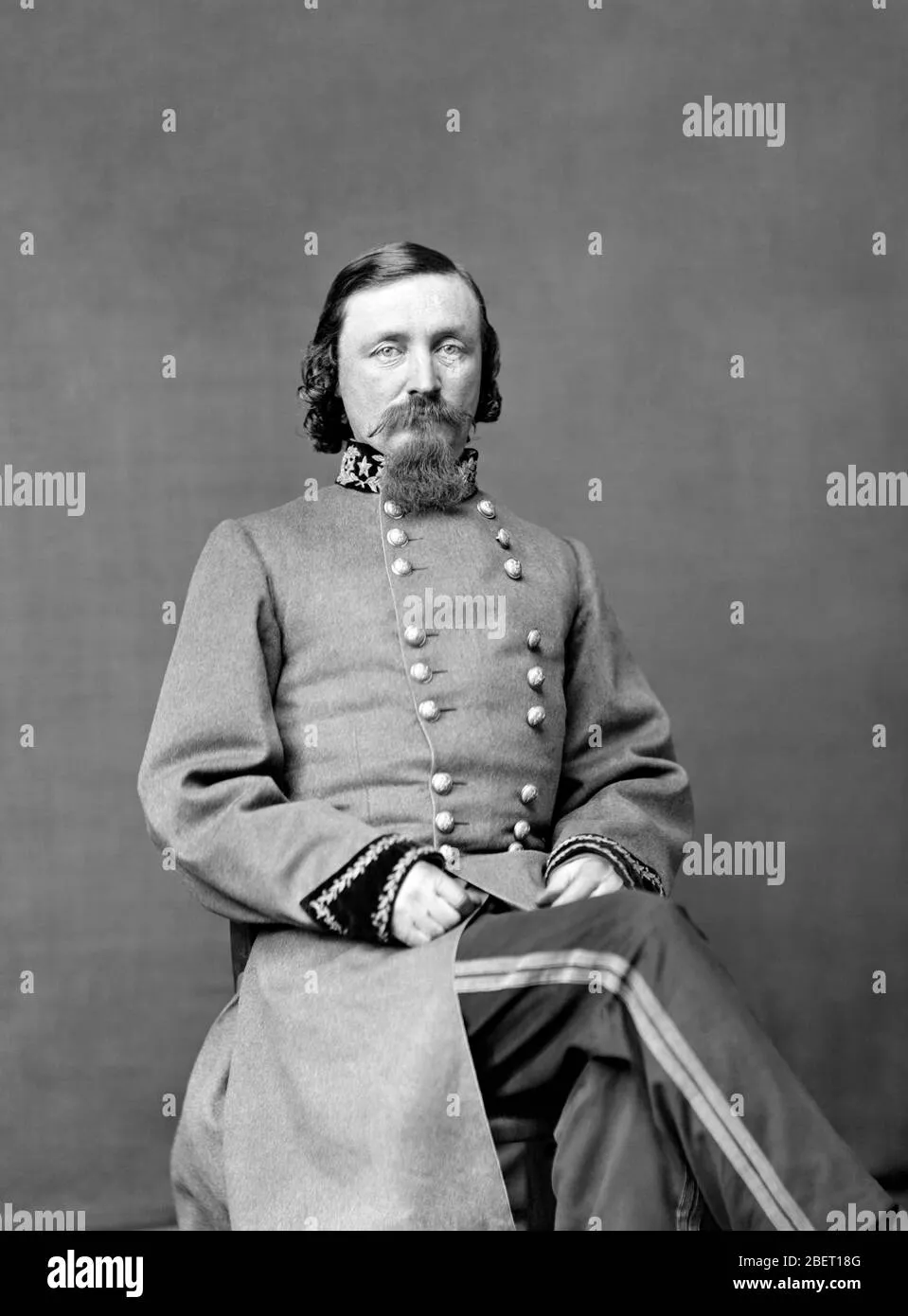 Photo: Captain George Pickett, via c8.alamy.com
The Pig War Escalates
The British response was swift and overwhelming. Captain Geoffrey Phipps Hornby arrived with the HMS Tribune, a 31-gun warship, and anchored in the harbor with cannons trained on Pickett's small camp. Soon, two more British warships joined the Tribune, bringing the total British firepower to 167 guns pointed at 64 American soldiers.
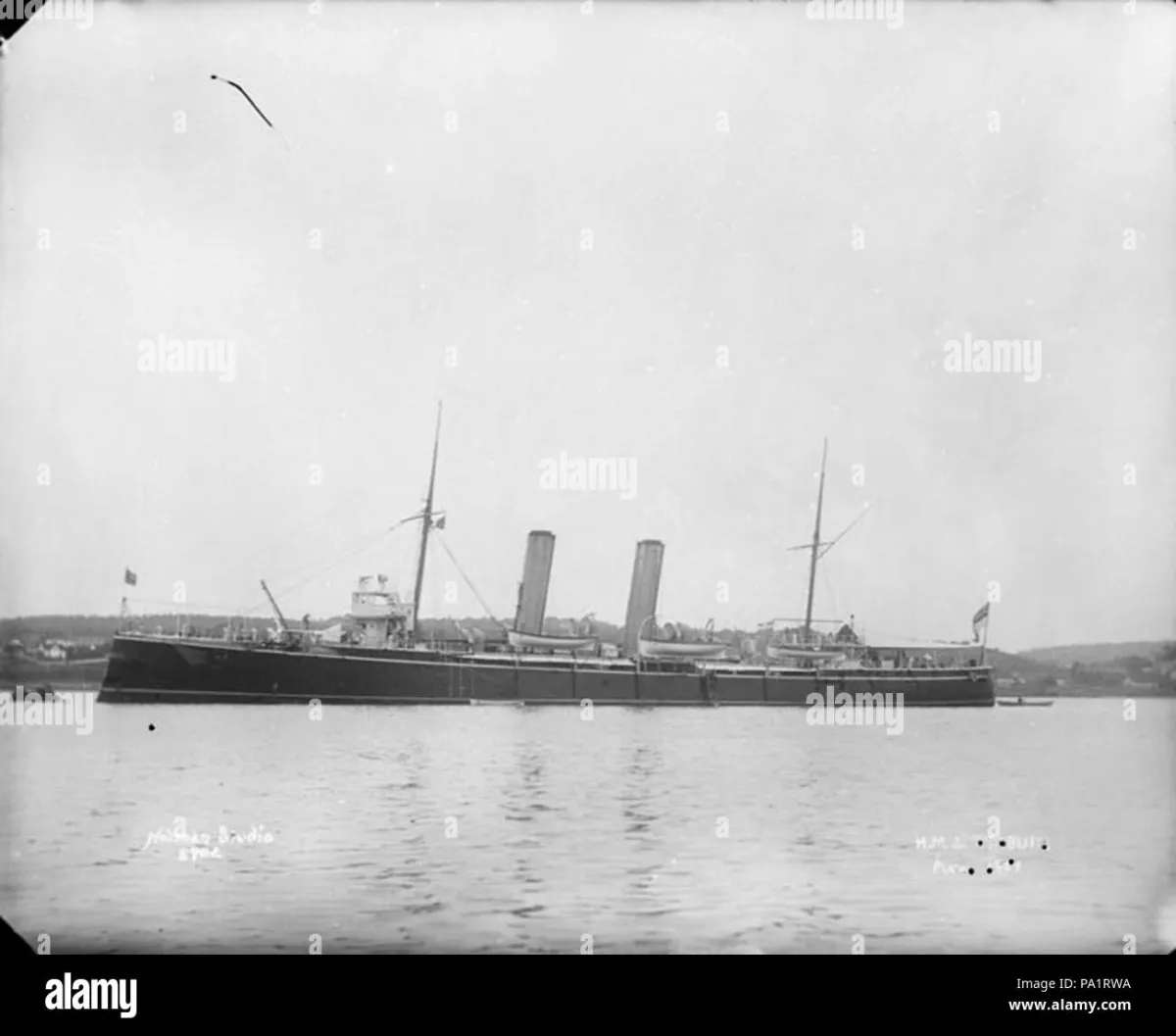 Photo: HMS Tribune, via c8.alamy.com
Pickett, showing either remarkable courage or stunning foolishness, refused to back down. He sent word to his superiors that he was prepared to fight, even though he was outnumbered and outgunned by a factor that made the Alamo look like favorable odds.
Both sides began reinforcing their positions. The Americans sent additional troops and artillery, while the British landed Royal Marines and positioned them strategically around the island. For weeks, British and American forces faced each other across San Juan Island, fingers on triggers, waiting for someone to make the first move.
The Most Polite Standoff in Military History
What followed was perhaps the most civilized military confrontation in history. Despite being technically at war over a pig, both sides maintained strict rules of engagement that would have made Emily Post proud. British and American officers exchanged formal visits, shared meals, and even played cricket together.
Admiral Robert Lambert Baynes, the British naval commander, reportedly told his subordinates, "I am not going to involve two great nations in a war over a squabble about a pig." Meanwhile, American General Winfield Scott arrived to assess the situation and reportedly spent more time socializing with British officers than planning military strategy.
The standoff continued for months, with both sides building permanent camps, establishing regular patrol schedules, and settling into what amounted to the world's most heavily armed camping trip. Soldiers from both armies often socialized during off-duty hours, creating the surreal spectacle of potential enemies sharing drinks and stories while their governments argued over sovereignty.
The Solution That Pleased Nobody
Eventually, cooler heads prevailed. In October 1859, both sides agreed to a joint occupation of the island while diplomats worked out a permanent solution. American and British forces would share San Juan Island, with each maintaining a small garrison to protect their respective citizens.
This arrangement lasted 12 years, making the Pig War the longest military standoff in American history that never involved actual combat. During this time, both camps became tourist attractions, with visitors from across the Pacific Northwest coming to see the famous "warring" armies that spent more time hosting picnics than preparing for battle.
The Verdict That Ended Everything
The Pig War finally ended in 1872 when Kaiser Wilhelm I of Germany, serving as an international arbitrator, ruled that the San Juan Islands belonged to the United States. The British quietly withdrew their forces, and the Americans celebrated their victory in the world's most expensive pig-related legal dispute.
Charles Griffin, the pig's owner, never received his $100 compensation. Lyman Cutlar became a footnote in history as the man who nearly started a war over garden vegetables. The pig, whose death had triggered an international incident, was never properly memorialized, though it arguably had more impact on Pacific Northwest history than most human residents.
The Legacy of the Pig War
Today, San Juan Island National Historical Park preserves both the American and British camps, allowing visitors to walk the grounds where two nations almost went to war over pork. The Pig War stands as perhaps the most absurd example of how minor incidents can escalate into major international crises when pride, politics, and poorly written treaties collide.
The conflict also demonstrated something remarkable about 19th-century diplomacy: even when facing potential war, civilized nations could find ways to maintain peace while saving face. The Pig War proved that sometimes the best way to win a fight is to be too polite to start one.
In the end, the only casualty of the Pig War was one black pig whose love of potatoes nearly rewrote the map of North America. Not bad for a day's work in a farmer's garden.