The Wallpaper Flop That Became America's Favorite Popping Obsession
When Good Ideas Go Wonderfully Wrong
Picture this: you're trying to invent the next big thing in home decoration, and you end up creating something that people literally can't stop popping. That's exactly what happened to Alfred Fielding and Marc Chavannes in 1957, when their quest for revolutionary wallpaper led to one of the most accidentally brilliant inventions in modern history.
The two engineers were working in a garage in Hawthorne, New Jersey, convinced they could crack the code on textured wallpaper. Their vision was simple: create a plastic material with interesting patterns that would give walls a unique, three-dimensional look. What could go wrong?
The Great Wallpaper Experiment
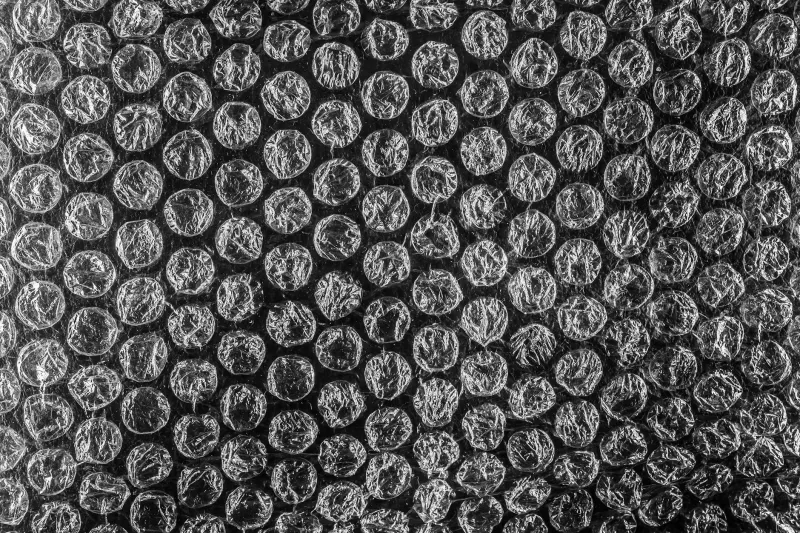
Fielding and Chavannes started experimenting with sealing two plastic shower curtains together, creating air bubbles trapped between the layers. The result looked promising at first glance – it had texture, it was durable, and it definitely stood out from traditional wallpaper options.
But there was one tiny problem: nobody wanted plastic bubbles covering their living room walls.
The wallpaper industry took one look at their creation and essentially laughed them out of showrooms. Interior designers weren't interested. Homeowners found it bizarre. The textured wallpaper dream was officially dead on arrival.
Most inventors would have called it quits right there. Instead, Fielding and Chavannes decided to pivot. Maybe it wasn't wallpaper, but surely this bubble-filled plastic had some other purpose?
The Greenhouse Gambit
Their next bright idea: greenhouse insulation. The trapped air bubbles would provide excellent thermal properties, they reasoned. Greenhouse operators could save money on heating while protecting their plants.
Once again, the market response was a collective shrug. Greenhouse owners stuck with their traditional insulation methods, leaving the inventors with warehouses full of what would later become every office worker's favorite stress relief tool.
By this point, most people would have thrown in the towel. But Fielding and Chavannes were either incredibly stubborn or remarkably prescient – probably both.
The Packaging Revolution Nobody Asked For
The breakthrough came in 1960, three years after their initial experiment, when Frederick Bowers – a marketer working with the duo – had a lightbulb moment. He'd been watching IBM ship their new 1401 computers and noticed how much care went into protecting these expensive machines during transport.
What if that weird bubble plastic could cushion fragile items during shipping?
Bowers convinced IBM to try using the material – now called "Bubble Wrap" – to protect their computers during delivery. The results were immediate and impressive. The computers arrived undamaged, and IBM was sold on the concept.
From Rejection to Space Program
Once word spread through the shipping industry, everything changed overnight. Companies that had previously ignored the strange plastic material were suddenly fighting to get their hands on it. The same bubbles that seemed too weird for walls turned out to be perfect for protecting everything from electronics to fine china.
The success story reached its peak when NASA started using Bubble Wrap to insulate spacecraft. The material that couldn't find a home in suburban living rooms was now heading to space.
The Accidental Empire
Today, the Sealed Air Corporation – the company founded by our wallpaper-dreaming inventors – generates over $400 million annually from Bubble Wrap sales. The material protects billions of dollars worth of goods shipped around the world every day.
But perhaps the most unexpected success has been Bubble Wrap's role as a stress reliever. That satisfying "pop" when you squeeze the bubbles has become a cultural phenomenon, spawning everything from Bubble Wrap appreciation days to smartphone apps that simulate the popping experience.
The Lesson in Accidental Genius
Fielding and Chavannes never set out to revolutionize the packaging industry or create America's favorite fidget tool. They just wanted to make interesting wallpaper. Their story proves that sometimes the best inventions come from the most unexpected failures.
The next time you're popping Bubble Wrap while unpacking a delivery, remember: you're enjoying the byproduct of two guys who thought plastic bubbles would look great in your dining room. Sometimes the best ideas are the ones nobody saw coming – especially the inventors themselves.