Boeing Built an Entire Fake Suburb on Its Factory Roof to Hide a War Plant from Enemy Bombers
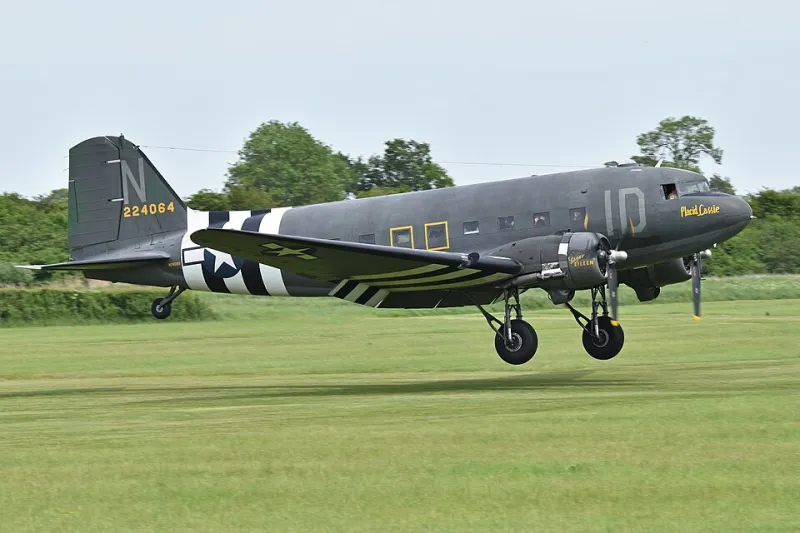
Photo: Alan Wilson, CC BY-SA 2.0, via Wikimedia Commons
If you had flown over Seattle's Boeing Plant 2 sometime in the early 1940s and looked down, you would have seen a quiet residential neighborhood. Modest houses. Neat streets. Parked cars. The occasional tree. A perfectly ordinary slice of American suburban life.
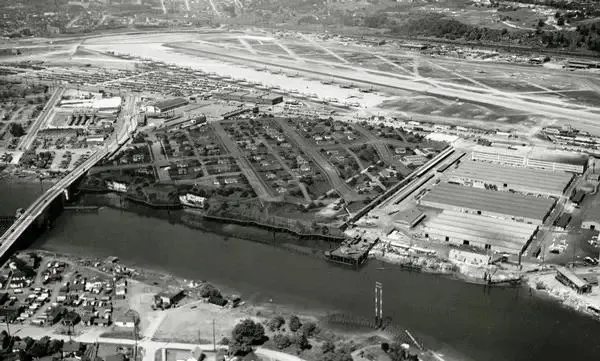 Photo: Boeing Plant 2, via www.wearethemighty.com
You would have been looking at a movie set built on top of one of the most important weapons factories in the world.
The Problem With Being Obvious
After the attack on Pearl Harbor in December 1941, the threat of enemy air raids on the American mainland became suddenly and viscerally real. The West Coast in particular went on high alert. Seattle, sitting on Puget Sound with a major harbor and a growing industrial base, was considered a plausible target.
Boeing's Plant 2 was an especially serious concern. The facility was producing B-17 Flying Fortresses — the heavy bombers that would become the backbone of the Allied air campaign over Europe. If an enemy strike force could locate and destroy the plant, it would deal a significant blow to American air power at exactly the moment that air power was being counted on most.
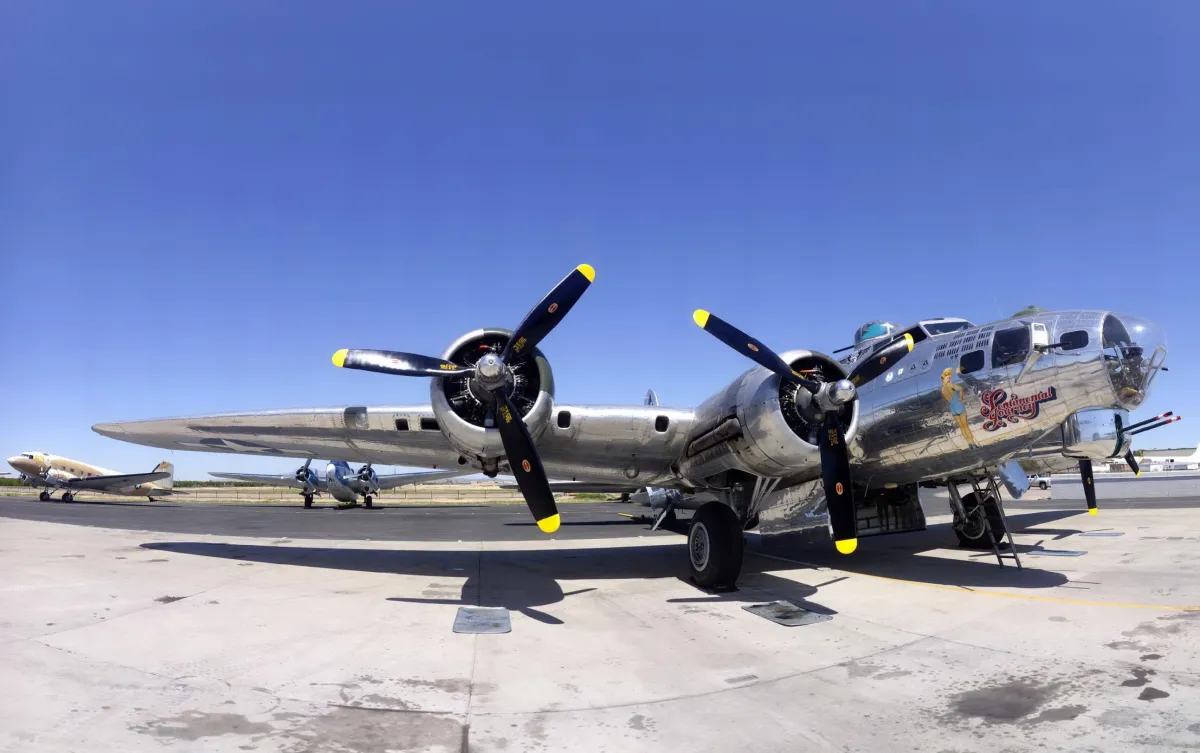 Photo: B-17 Flying Fortress, via wallup.net
The plant was enormous. It covered approximately 26 acres of factory floor. It was not, by any reasonable definition, easy to hide.
The Army Corps of Engineers decided to hide it anyway.
Building a Neighborhood That Didn't Exist
The camouflage project that followed was one of the more surreal construction efforts in American wartime history. Workers built an entire false landscape on top of the factory roof — a raised platform covered in chicken wire and burlap that supported a complete fake neighborhood at approximately 30 feet above the actual building.
The houses weren't real structures. They were lightweight frames draped in painted fabric, carefully designed to cast the right kind of shadows from above. The streets were painted onto the surface. The trees were constructed from wire and burlap, dyed green, and positioned to look natural from altitude. Fake cars sat parked along fake curbs. Fake fire hydrants stood on fake corners.
The entire installation was designed with aerial photography in mind — specifically, the kind of reconnaissance photos that enemy planners would use to identify targets. From the air, the neighborhood looked unremarkable. Which was, of course, the point.
The People Who Maintained the Illusion
Maintaining the fake suburb was a full-time job. A dedicated crew of workers was hired specifically to keep the camouflage convincing — touching up paint, adjusting the fake foliage, replacing elements that had weathered or shifted. The burlap trees required regular attention. The painted surfaces faded in the Pacific Northwest rain and had to be refreshed.
Below the fake neighborhood, thousands of Boeing workers continued building B-17s around the clock. The factory ran on rotating shifts. The workers on the floor knew what was above them, though by most accounts the surrealism of it faded into routine fairly quickly. You show up, you build bombers, there's a fake suburb on the roof. War is strange.
The camouflage also extended beyond the rooftop. Nearby roads were altered to break up patterns that might be recognizable from altitude. Reflective surfaces around the plant were addressed to reduce glare that could give away the facility's location. The whole operation reflected a genuine, sophisticated understanding of how aerial reconnaissance worked and what bombers were trained to look for.
The Photographs That Look Wrong
What makes the Boeing camouflage project so genuinely arresting today is the photographs.
Several images survive from the construction and maintenance period, and they have a deeply disorienting quality. You're looking at what appears to be an ordinary American neighborhood — the kind of thing you might see in any mid-century suburb — and then something in the composition shifts and you realize the perspective is wrong, or the trees look slightly too uniform, or the cars are too perfectly still, and the whole thing resolves into what it actually is: a theatrical set built on an industrial rooftop to fool a war.
The photos circulated again in the early 2000s when historians and aviation enthusiasts began writing about the project more extensively, and they generated widespread disbelief. The images look like something out of a Cold War spy thriller or a science fiction story about manufactured realities. They were, in fact, a wartime public works project in Seattle.
Whether It Worked
The honest answer is: probably, but it's hard to say definitively. No enemy air raid ever struck Boeing's Plant 2 during the war. Japanese submarines did operate in Pacific waters, and the threat of long-range bombing was taken seriously enough by military planners that the camouflage project received significant resources and attention.
Whether the fake neighborhood specifically deterred any targeting, or whether the plant simply never rose to the top of an enemy's operational priorities, isn't something the historical record resolves cleanly. What the record does show is that Plant 2 continued producing B-17s throughout the war without interruption — and that the people responsible for protecting it were willing to build an entire fictional American town on a rooftop to make sure that happened.
The plant was eventually demolished in 2010. The fake neighborhood, of course, had come down long before that.
But the photographs remain — a reminder that during the strangest years of the twentieth century, some of the most American things ever built weren't real at all.