The Hobby Language That Refused to Die: How One Doctor's Passion Project Conquered the World
The Man Who Thought He Was Just Tinkering
Ludwik Lazarz Zamenhof was, by most accounts, a quiet and deeply idealistic man. He grew up in Białystok, a city in what is now Poland but was then part of the Russian Empire — a place where Russians, Poles, Germans, and Jews lived in close proximity and frequently at each other's throats. Zamenhof watched neighbors who couldn't communicate default to suspicion, and suspicion default to violence. He became convinced, with the earnest certainty of a teenager, that the problem was language itself. If everyone shared a common tongue, he reasoned, maybe they'd stop hating each other so much.
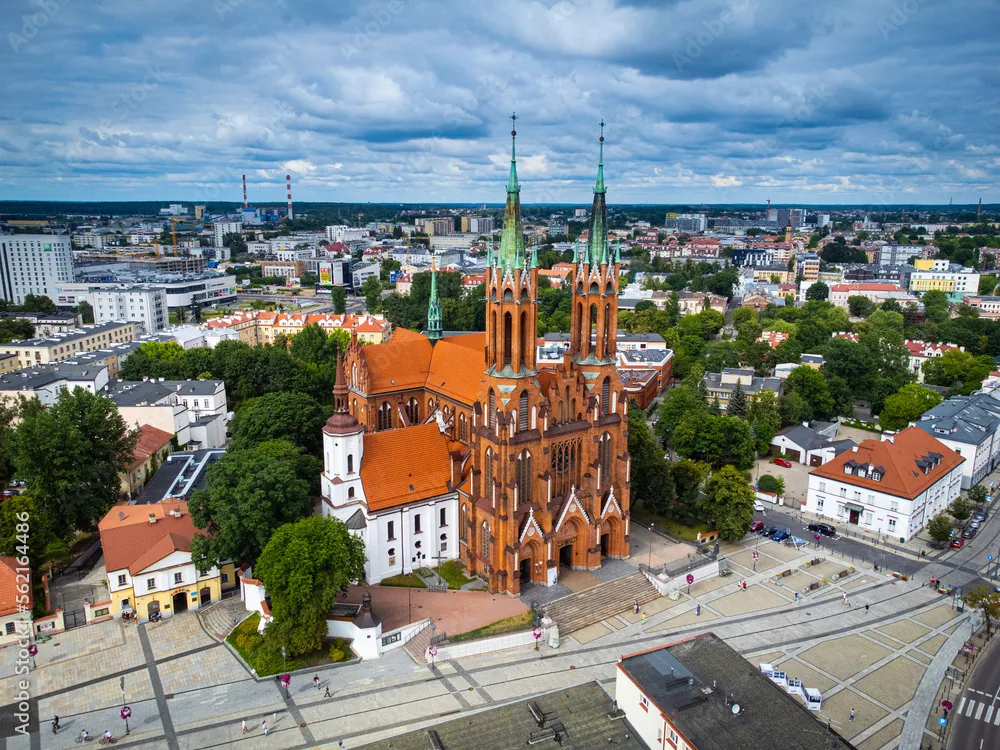 Photo: Białystok, via as1.ftcdn.net
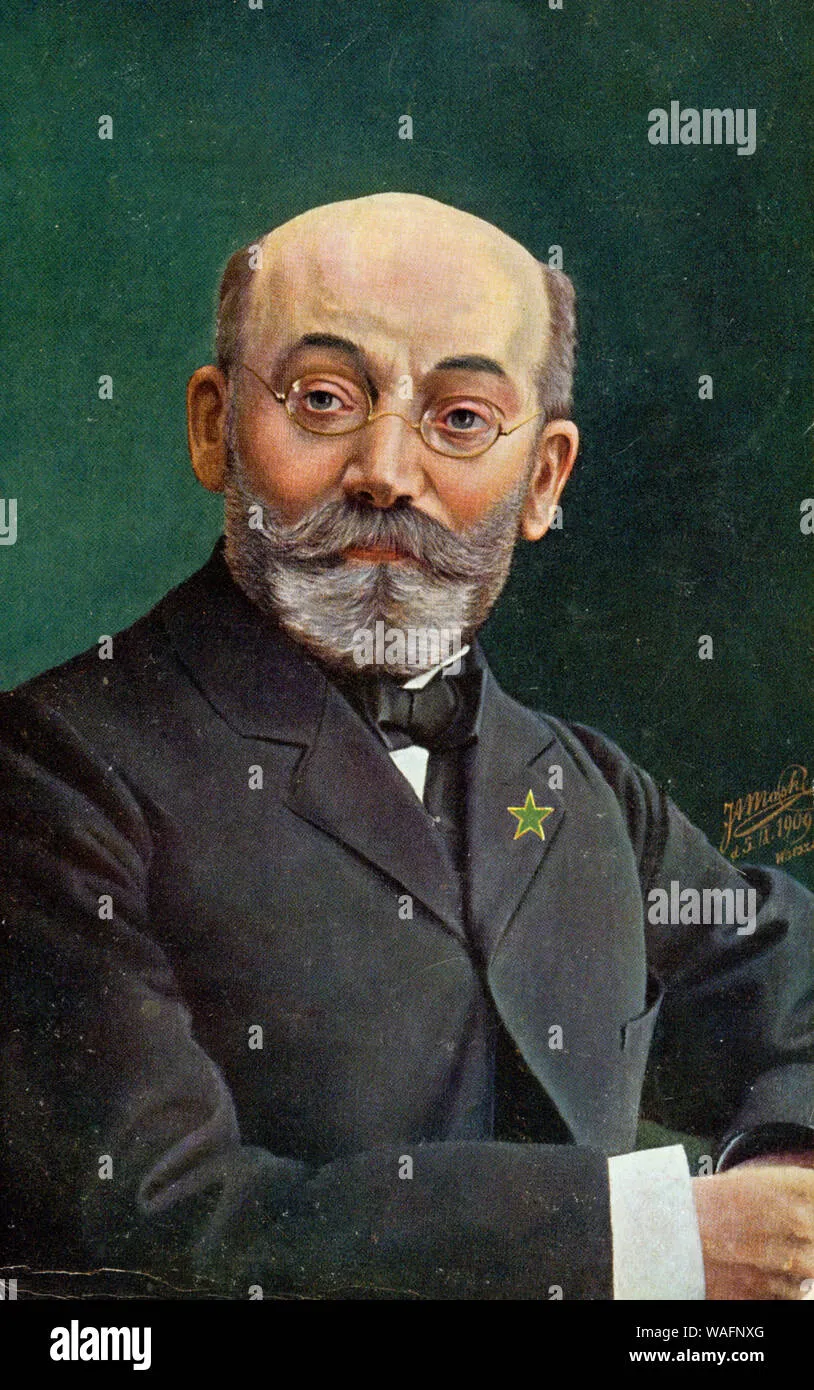 Photo: Ludwik Lazarz Zamenhof, via c8.alamy.com
So he built one.
By the time he was a practicing ophthalmologist in Warsaw, Zamenhof had spent years quietly constructing a language from scratch. He borrowed vocabulary from European roots, stripped grammar down to a set of sixteen clean rules, and made the whole thing deliberately learnable — no irregular verbs, no chaotic spelling, no exceptions to memorize at two in the morning. In 1887, he published a slim pamphlet under the pen name "Doktoro Esperanto," which translated to "Doctor Hopeful." The language took the name. He honestly wasn't sure anyone would care.
The Part Where It Somehow Worked
What happened next defies reasonable expectation. Without marketing, without institutional backing, without a single government mandate, Esperanto spread. Hobbyists picked it up. Idealists latched onto it. Correspondence clubs formed across Europe, then across the Atlantic. By 1905, the first World Esperanto Congress drew delegates to Boulogne-sur-Mer, France — nearly 700 people who had taught themselves the same invented language from the same pamphlet and could now hold full conversations with strangers from a dozen countries.
Zamenhof reportedly wept at the opening ceremony. He hadn't expected this. Neither had anyone else.
The early twentieth century was genuinely good for Esperanto. The language attracted a devoted following among pacifists, socialists, and internationalists who saw it as a practical step toward world unity. Clubs organized. Journals launched. A growing body of original literature emerged — not just translations, but poetry and fiction written natively in a language that had existed for less than twenty years.
Then History Got in the Way
Of course, the twentieth century had other plans.
World War I scattered the movement. Zamenhof himself died in 1917, exhausted and heartbroken by the catastrophe unfolding around him. His three children — all Esperanto speakers, naturally — were later killed in the Holocaust. Adolf Hitler despised Esperanto, in part because Zamenhof was Jewish and in part because the language's entire philosophy of international brotherhood was everything the Nazi worldview opposed. Joseph Stalin wasn't fond of it either; Soviet Esperantists were periodically purged as suspected cosmopolitan subversives.
The language survived anyway. This is the genuinely strange part.
There was no headquarters to shut down, no central authority to arrest, no single point of failure. Esperanto existed in the heads of its speakers, scattered across dozens of countries. When one community was suppressed, others kept going. When the wars ended, the clubs reformed. The movement had developed a kind of distributed resilience that no one had designed into it — it just emerged from the fact that the language belonged to everyone and no one at the same time.
A Language That Grew Up
By the mid-twentieth century, something genuinely unexpected had happened: Esperanto had acquired native speakers. Children raised in Esperanto-speaking households — often where parents came from different countries and used Esperanto as their shared home language — grew up with it as a first language. Linguists call them denaskuloj, native speakers, and estimates suggest several thousand exist worldwide today. A language invented by one man in one city had, within a few generations, become someone's mother tongue.
The broader community grew alongside them. Today, estimates of fluent Esperanto speakers range from one to two million worldwide, spread across more than a hundred countries. The annual World Esperanto Congress still meets, rotating through cities on different continents. There are Esperanto Wikipedia entries (over 300,000 articles), Esperanto radio broadcasts, Esperanto literature awards, and an entire hospitality network called Pasporta Servo where Esperanto speakers can stay in each other's homes in nearly 90 countries — essentially a global community built on a shared language that technically has no native country.
Google Translate supports it. Duolingo offers it. At last count, over a million people had started learning Esperanto on Duolingo alone.
What Actually Happened Here
The story of Esperanto is strange for reasons that go beyond the obvious. Hundreds of constructed languages have been invented — many by people with far greater resources than a Warsaw eye doctor working in his spare time. Almost none of them survived their creator. Esperanto did, and it did so because Zamenhof got something accidentally right: he made the language good enough to actually use, simple enough to actually learn, and idealistic enough that the people who adopted it felt they were part of something larger than a linguistic curiosity.
He wanted to reduce conflict between neighbors who couldn't understand each other. He ended up creating a global community of strangers who could. That's not quite what he planned, but it's close enough that he probably would have considered it a reasonable outcome.
For a man who called himself "Doctor Hopeful," that seems about right.