The Town That Sold Its Own Name to a Game Show — and Spent the Next 70 Years Regretting It

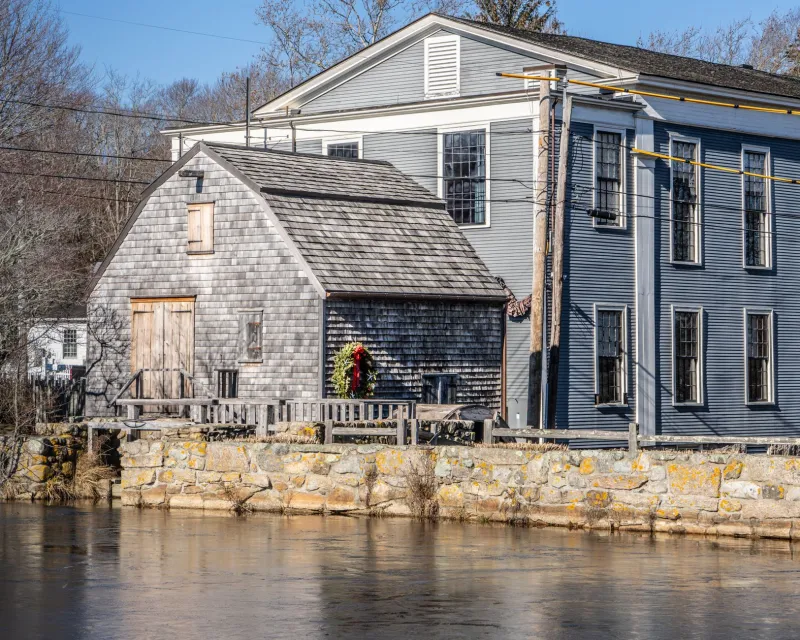
Photo: Internet Archive Book Images, No restrictions, via Wikimedia Commons
The Offer Nobody Should Have Taken Seriously
In January 1950, Ralph Edwards — the host of NBC Radio's enormously popular game show Truth or Consequences — made a public announcement that was equal parts publicity stunt and social experiment. The show was approaching its tenth anniversary, and Edwards promised to broadcast a live celebration from whichever American town was willing to rename itself Truth or Consequences in the program's honor.
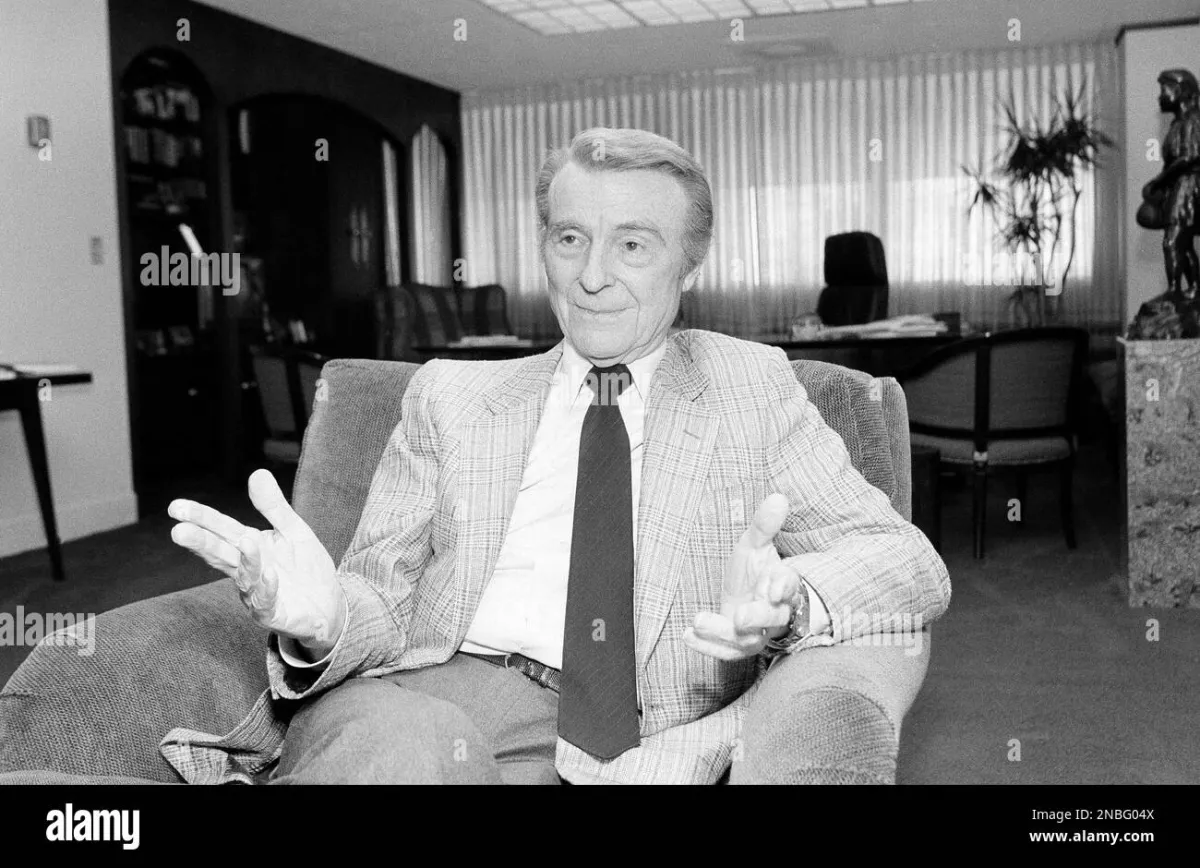 Photo: Ralph Edwards, via c8.alamy.com
It was, by any reasonable measure, an absurd proposal. Renaming a town is not a casual civic decision. It means new stationery, new road signs, new legal documents, confused relatives, and the permanent erasure of whatever identity the place had spent decades building. No serious city planner, no responsible mayor, no sensible municipal government would consider it.
Hot Springs, New Mexico, population roughly 4,000, considered it.
 Photo: Hot Springs, New Mexico, via www.tophotsprings.com
The town had good reasons to want attention. Situated in the Rio Grande valley in the southwestern corner of the state, Hot Springs had built its identity around natural thermal springs that attracted health-seekers for decades. But by 1950, the tourist trade had softened, the post-war economy was reshuffling, and the prospect of nationwide radio exposure felt like an opportunity too good to ignore. A local vote was held. The measure passed. Hot Springs became Truth or Consequences, New Mexico, officially and legally, in March 1950.
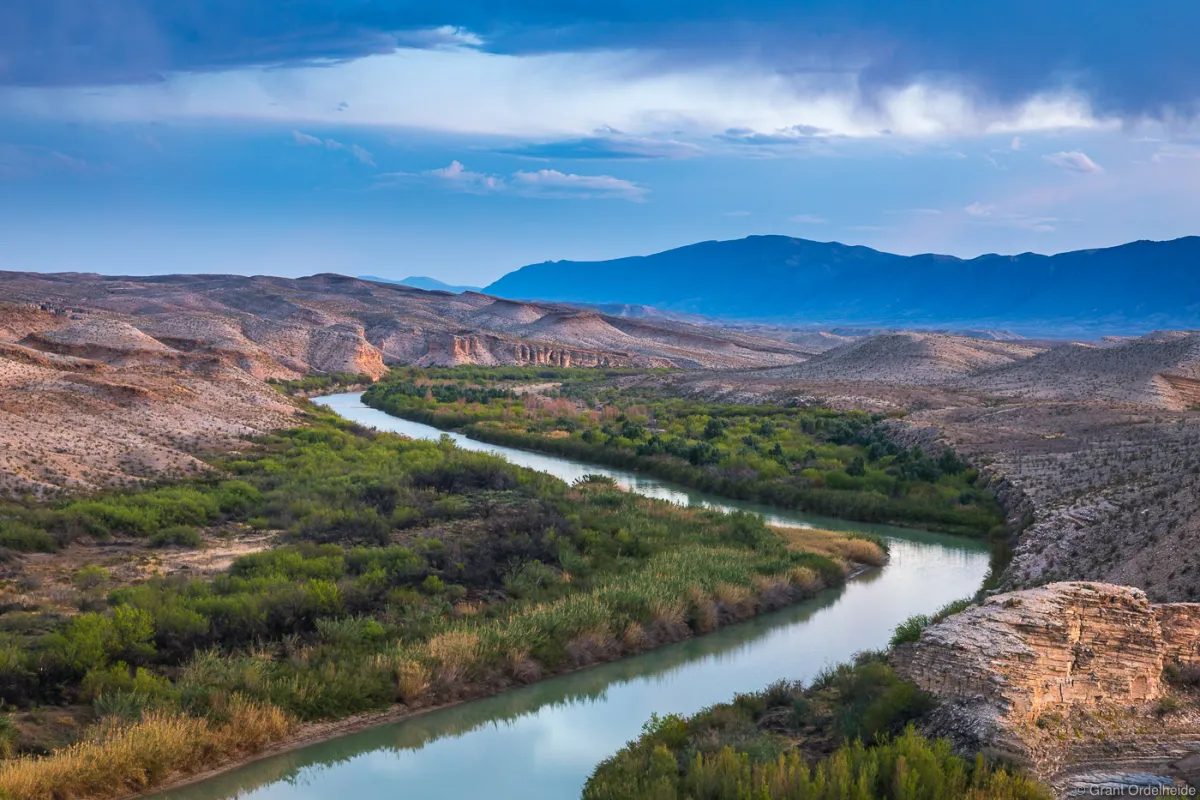 Photo: Rio Grande, via www.grantordelheide.com
Ralph Edwards showed up, broadcast his anniversary special, and left. The cameras went with him.
The Morning After
Almost immediately, a significant portion of the town's residents decided they had made a terrible mistake.
The objections were practical, emotional, and deeply personal. "Hot Springs" was a name that meant something — it described the actual geography, honored the town's history, and connected residents to a place with a specific identity. "Truth or Consequences" was a game show. A good game show, certainly, but a game show nonetheless. Locals who had lived their entire lives in Hot Springs suddenly had to explain to everyone they met that yes, that was actually the name of their town, no, they were not joking, and yes, it was because of the radio program.
The pushback began almost immediately and never really stopped.
The Long War Over a Name
What followed was one of the more sustained and creative civic rebellions in American municipal history. Residents who opposed the name change didn't simply grumble and move on — they organized, petitioned, protested, and periodically staged theatrical demonstrations designed to highlight the absurdity of the situation.
The most memorable of these were the mock funeral processions held in the name of "Hot Springs" — literal parades where residents carried coffins, wore black, and mourned the death of their town's original identity with the theatrical grief of people who were only half joking. Local newspapers covered the events. State legislators received petitions. Ballot measures appeared periodically, asking voters whether they wanted to restore the original name.
They kept failing.
This is the genuinely strange part of the story. Despite the vocal opposition, despite the mock funerals, despite the legislative campaigns, every formal attempt to reverse the 1950 vote fell short. The town that apparently regretted its decision couldn't quite muster the collective will to undo it. Voters who complained bitterly about the name in conversation would return ballots that preserved it. The gap between what residents said they wanted and what they actually voted for remained stubbornly consistent for decades.
Why the Name Stayed
Social scientists and local historians have offered various explanations for this contradiction, and most of them come down to the same basic insight: identity, even an unwanted one, develops roots.
By the time the first serious reversal campaign gained momentum, businesses had printed new letterhead. The post office had updated its records. Maps had been reprinted. A generation of children had grown up knowing only the new name. Tourism, ironically, had actually increased — not because of the thermal springs, but because people were curious about the town with the bizarre name. Ralph Edwards himself became a devoted friend of the community, returning annually for a celebration that eventually became a full festival. He attended every year until his death in 2005.
The name that felt like an embarrassment had quietly become an economic asset. Visitors came specifically because "Truth or Consequences, New Mexico" was the strangest thing they'd ever seen on a road sign. The Hot Springs identity that residents mourned was, in practical terms, worth less than the novelty of the replacement.
What One Vote Can Actually Do
Truth or Consequences — the town — still exists. The hot springs still exist too, now operating as spas that attract a steady stream of wellness tourists. The annual Ralph Edwards Fiesta still runs every May. And the debate about the name, while considerably quieter than it was in the 1960s and 70s, has never fully disappeared. There are residents today who will tell you, without much prompting, that the whole thing was a mistake.
But the name isn't changing.
What the story of Hot Springs — of Truth or Consequences — actually illustrates is something uncomfortable about collective decision-making: the moment of choice and the consequences of that choice belong to entirely different groups of people. The residents who voted in 1950 made a decision that bound every person who would ever live in that town afterward. Some of those people were children in 1950. Some weren't born yet. None of them voted.
A single impulsive evening of civic enthusiasm, driven by the excitement of a radio host's offer and the hope of a little national attention, permanently rewrote the legal identity of a place. The cameras left the next day. The name stayed forever.
That's not a lesson about game shows. That's a lesson about how permanent "temporary" decisions tend to be.