One Wrong Number, $300 Million Gone: The Tokyo Stock Exchange Typo That Broke the System
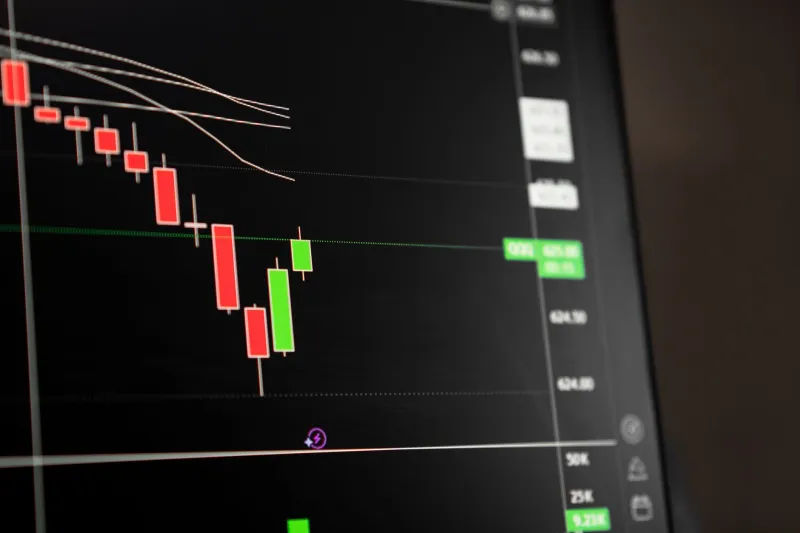
Every financial system in the world is built on the assumption that humans will occasionally make mistakes. Redundancies exist. Safeguards are layered on top of safeguards. Computers check the work of other computers. Risk management teams exist specifically to catch the kind of catastrophic error that should, in theory, be impossible to miss.
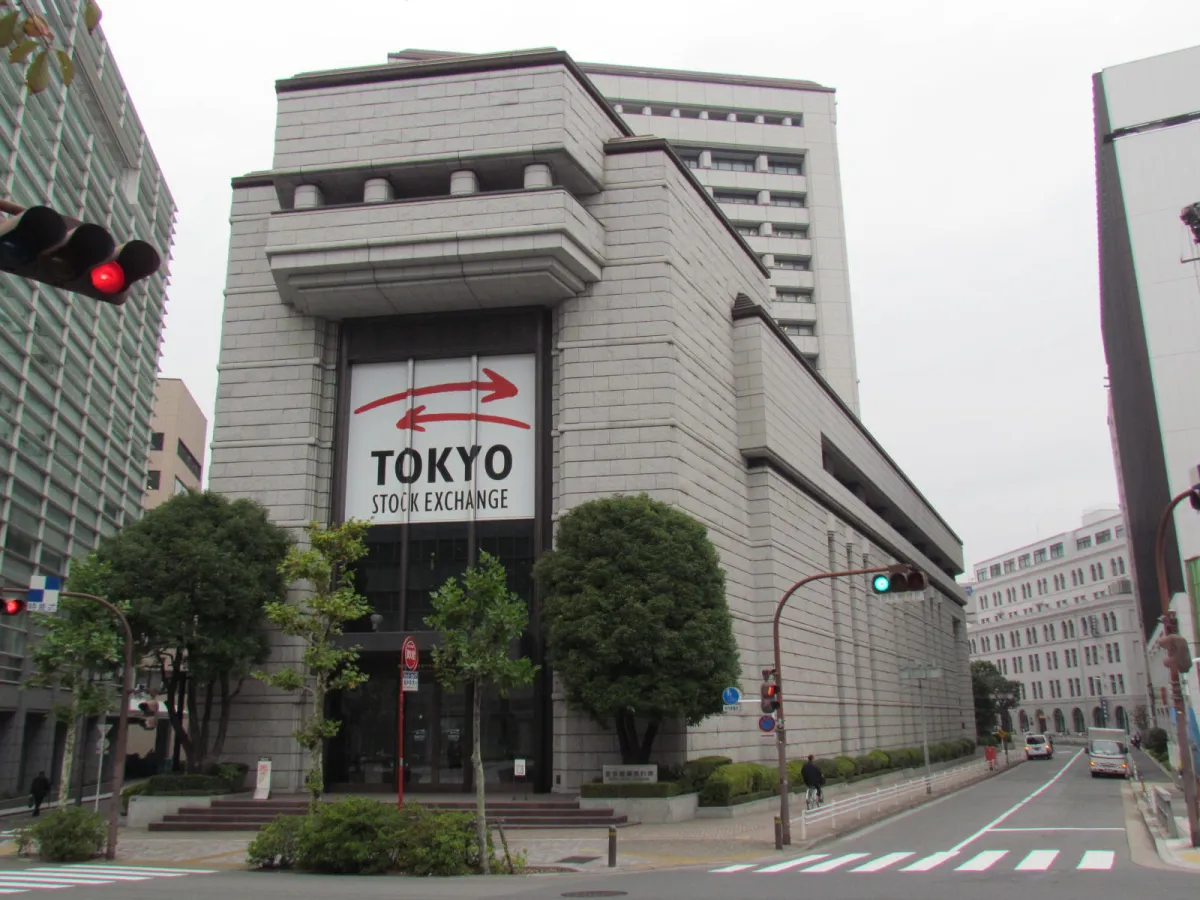 Photo: Tokyo Stock Exchange, via media.timeout.com
And then a junior trader in Tokyo typed two numbers in the wrong order, and approximately $300 million changed hands before anyone realized what had happened.
The safeguards didn't catch it. The computers didn't flag it. The exchange processed it. And by the time the brokerage firm tried to undo the damage, they discovered something genuinely horrifying: the rules said no.
The Order That Started Everything
In December 2005, a trader at Mizuho Securities — one of Japan's largest and most established brokerage firms — was executing a routine sell order for shares in J-Com Co., a recently listed staffing company. The intended order was straightforward: sell one share at 610,000 yen.
What actually went into the system was the precise opposite: sell 610,000 shares at one yen each.
To be clear about the scale of this: J-Com had only issued around 14,500 shares in total. Mizuho had just submitted an order to sell more than 40 times the company's entire share count at a price that was roughly 610,000 times lower than intended. The math on the resulting exposure was somewhere in the neighborhood of $300 million in potential losses.
The order hit the Tokyo Stock Exchange at 9:07 a.m. The market opened at 9:00.
The System That Wasn't Ready
Here is where the story stops being about one trader's bad morning and starts being about something much larger.
Mizuho's internal systems did flag the order. A warning message appeared on screen indicating that the trade looked unusual. The trader — and reportedly, supervisors who reviewed the alert — dismissed it as a routine system notification and confirmed the order anyway. This is the human failure part of the equation, and it's the part that gets the most attention.
But the more revealing failure belongs to the Tokyo Stock Exchange itself.
The exchange's own systems received an order to sell 610,000 shares of a company that had only ever issued 14,500. This is not a subtle discrepancy. This is the financial equivalent of someone trying to sell you 40 cars when you only own one. And the exchange processed it. Every single share sold.
Mizuho's traders realized the error almost immediately and attempted to cancel the order. They submitted cancellation requests. Multiple times. The exchange's systems, operating under a technical glitch that would later become the subject of significant legal attention, failed to process the cancellations. The trade continued executing.
The People Who Noticed
While Mizuho was watching its error compound in real time, a small number of traders at other firms noticed something extraordinary happening to J-Com's share price and trading volume. The stock was behaving in ways that made no rational sense — unless someone had made a catastrophic error and shares were suddenly available at a tiny fraction of their actual value.
These traders bought. Aggressively. In the minutes before the situation was fully understood and trading in J-Com was halted, several firms accumulated significant positions at prices that bore no relationship to the stock's actual worth. When the dust settled, the windfall for those firms was estimated at somewhere between $200 million and $300 million, depending on how the final positions were calculated.
Mizuho's total loss from the incident exceeded $340 million.
The Legal Tangle That Followed
Mizuho's attempts to recover the money set off a legal battle that was, depending on your perspective, either a fascinating examination of market ethics or a genuinely maddening illustration of how financial rules can produce absurd outcomes.
The firm argued that the firms who profited had essentially benefited from an obvious error and that equity demanded the money be returned. Some firms cooperated and returned their gains voluntarily. Others declined, arguing that they had executed legal trades on a functioning exchange and that the error was Mizuho's problem, not theirs.
The courts largely agreed with the firms that kept the money, though the Tokyo Stock Exchange eventually paid Mizuho approximately $107 million in compensation — an acknowledgment that the exchange's failure to process the cancellation requests had materially contributed to the scale of the disaster.
The exchange's president resigned. Mizuho's president resigned. Several executives took formal pay cuts as a gesture of institutional accountability. New safeguards were implemented across the Japanese financial system to prevent trades that exceeded a company's total share count from being processed without additional verification.
Why a Typo Broke Everything
What makes the Mizuho incident so persistently fascinating isn't the dollar figure, though $340 million is a number that concentrates the mind. It's the way the error exposed every layer of the system simultaneously.
Human oversight failed when the warning was dismissed. Internal risk management failed when no one stopped the trade before it hit the exchange. Exchange safeguards failed when the order was processed without flagging the impossible share count. Cancellation systems failed when the requests weren't executed. And the legal framework, when finally applied, produced an outcome where the firm that made the mistake bore most of the cost while the firms that spotted the mistake and moved quickly kept most of the profit.
The entire chain of events, from the moment the trader typed the wrong number to the moment the last lawsuit was settled, took years. The original error took about thirty seconds.
Two numbers, in the wrong order, on a keyboard in Tokyo. That's all it took to briefly destabilize one of the world's largest stock exchanges, wipe out hundreds of millions of dollars, and demonstrate that the gap between "this is impossible" and "this just happened" is sometimes exactly one misplaced keystroke wide.